Key Highlights:
- Trump files sweeping lawsuit accusing JPMorgan of politically motivated debanking and trade libel
- Bank denies political targeting, points to regulatory risk and evolving compliance environment
Yello Paradisers! The political banking wars just escalated, and this time, the target is JPMorgan Chase. With a $5 billion lawsuit now in play, could Trump’s legal salvo reshape the debate on “debanking” in both politics and crypto?
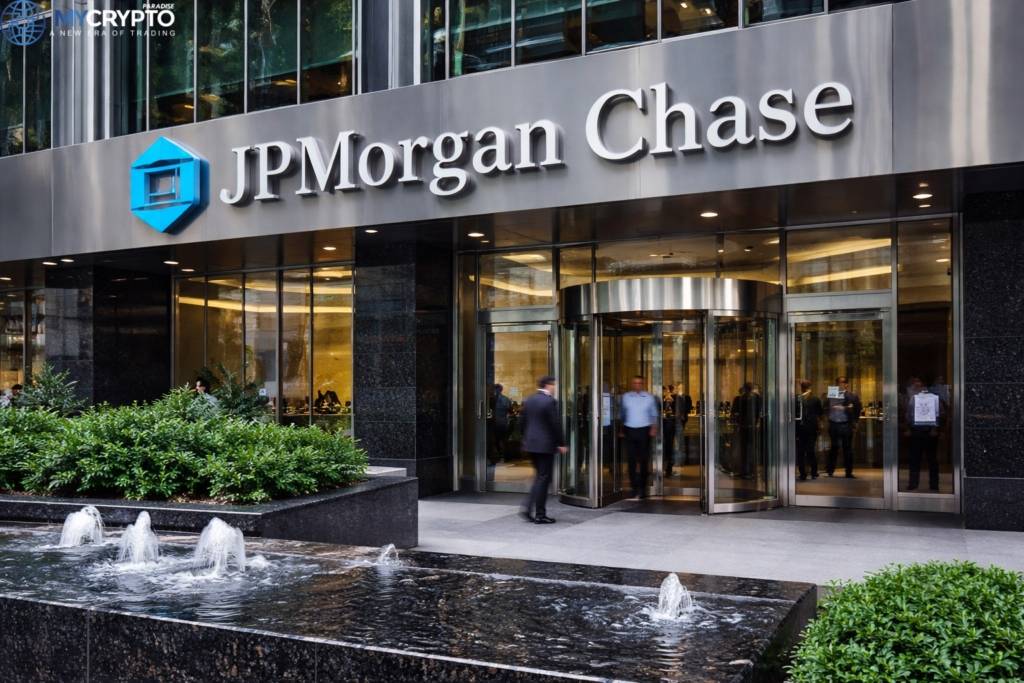
President Donald Trump filed a lawsuit Thursday morning in Miami-Dade County, accusing JPMorgan and CEO Jamie Dimon of abruptly terminating accounts tied to him and his businesses in 2021, shortly after the January 6 Capitol unrest. Trump claims the closures were politically motivated, lacked due process, and violated the bank’s own code of conduct. The suit seeks damages for trade libel, breach of good faith, and violations of Florida’s deceptive trade practices law.
According to the filing, Trump had banked with JPMorgan for decades and conducted hundreds of millions of dollars in business through various accounts that were, at the time of closure, “active, compliant, and in good standing.” His legal team argues that the termination was unprovoked and tied directly to the events of January 6, noting that the move “forever altered the dynamic of the parties’ relationship.”
Why it matters
The lawsuit lands at a critical moment. Trump’s administration has made anti-debanking policy a cornerstone of its regulatory narrative, with new federal guidelines warning banks against account closures based on political or religious beliefs. The crypto industry, already wary of financial censorship, is watching closely. The claim that JPMorgan blacklisted Trump and his family on internal watchlists, shared with other banks, suggests an industry-wide chilling effect.
The lawsuit’s broader message is clear: if debanking can happen to a former president, it can happen to anyone. That framing could fuel further scrutiny into bank practices and open legal doors for others who claim to be politically targeted, including players in the crypto space who’ve faced similar shutdowns in recent years.
Market impact
The news has not rattled traditional markets yet, but crypto Twitter and political circles lit up. The timing is especially sensitive as JPMorgan continues its strategic shift toward digital assets. Just two years ago, CEO Jamie Dimon called Bitcoin “worthless.” Today, the bank offers Bitcoin exposure to select clients, is exploring collateralized lending with Ether, and has quietly expanded its blockchain-based settlement services.
If this lawsuit gains traction, it could reignite debates around financial censorship and accelerate the push toward decentralized banking solutions. Crypto-native firms, especially those focused on stablecoin infrastructure and self-custody, may see increased attention as a hedge against institutional access risk.
For now, Bitcoin remains steady above $89,000, largely unfazed by the filing. But any revelations that link bank policies to political filtering could send shockwaves through both the regulatory environment and financial markets.
What to watch next
All eyes are on the court proceedings in Florida. If the lawsuit proceeds to discovery, internal communications and account decision-making processes could come under the microscope. That could expose industry-wide practices currently shielded by regulatory opacity.
Expect further statements from other banking giants who may be named or implicated. Also watch for congressional reactions, particularly from lawmakers aligned with Trump’s deregulatory agenda, who may use this as a catalyst to push stronger anti-debanking protections.
In parallel, track how JPMorgan continues to reposition itself in crypto. If legal pressure mounts, the bank may lean harder into its blockchain offerings as a way to reposition public perception and hedge reputational risk.
Insights for traders
This is a narrative event, not a volatility one, yet. Traders should stay aware of how financial censorship themes evolve, especially if this lawsuit becomes a political rallying point. Increased rhetoric around institutional bias could boost demand for censorship-resistant assets like Bitcoin or push capital into DeFi protocols promising account neutrality.
Don’t dismiss the lawsuit as just political theater. If it uncovers systemic patterns, the regulatory and reputational fallout could reshape institutional access narratives, especially in crypto’s crossover with TradFi.
ParadiseTeam is monitoring the market situation closely, and we are taking these developments into consideration while building our trading tactics inside ParadiseFamilyVIP.