


- The Fed held rates at 3.5% to 3.75% during Kevin Warsh’s first FOMC meeting.
- Treasury yields rose as markets interpreted the policy outlook as hawkish.
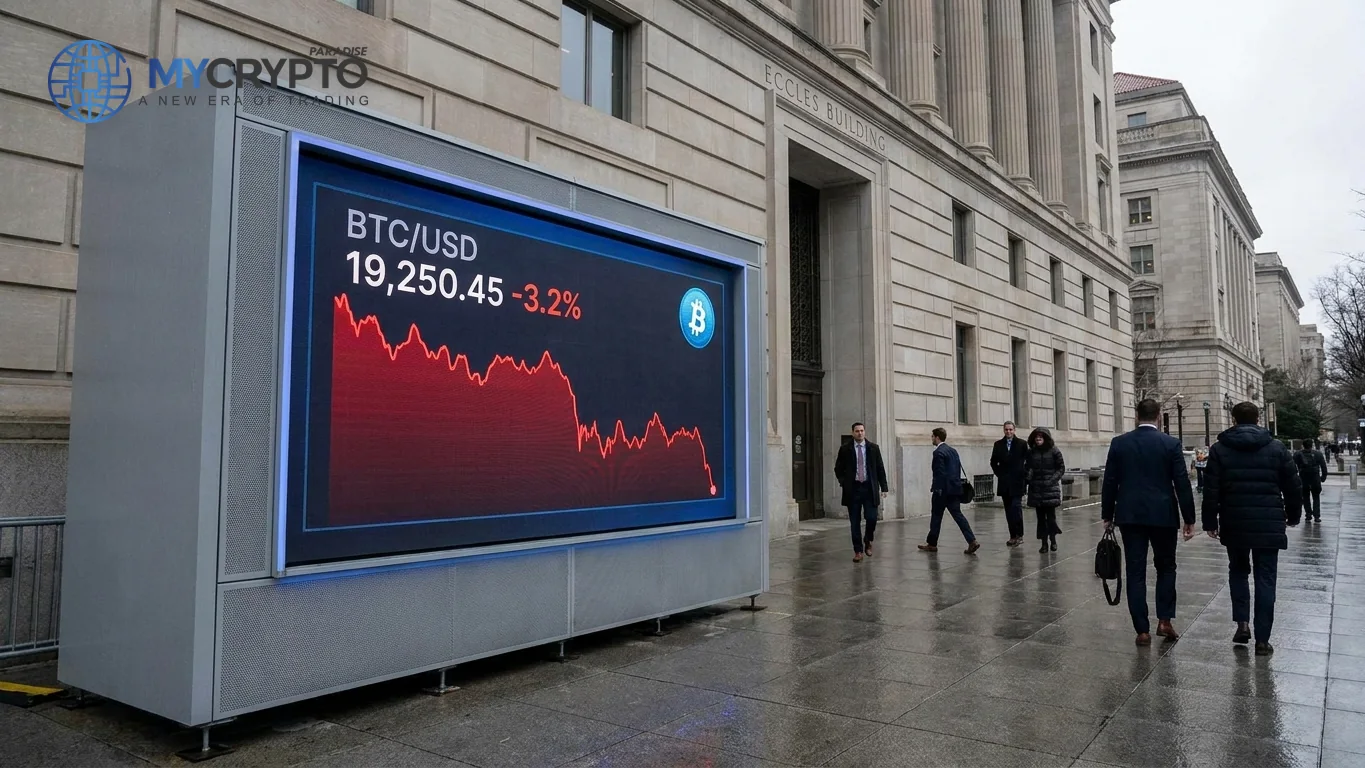
- Bitcoin fell below $65K while Ethereum remained under pressure near $1.73K.
The hawkish Fed hold delivered no surprise rate hike, yet markets reacted as if conditions had tightened anyway. With traders repricing 2026 expectations, could crypto face a tougher liquidity backdrop ahead?
The Federal Reserve’s June meeting was supposed to provide clarity. Instead, it reinforced a message that markets have struggled to shake off for months: interest rates may stay elevated longer than many investors had hoped. While policymakers kept the benchmark rate unchanged between 3.5% and 3.75%, the broader tone of the meeting suggested that inflation risks remain important enough to prevent any rapid shift toward easier monetary policy.
This meeting carried added significance as it marked Kevin Warsh’s first FOMC gathering as Federal Reserve Chair. Investors were watching closely for any shift toward a softer policy stance, but the initial signal appeared unchanged. Markets ultimately read the updated outlook as hawkish, pushing Treasury yields higher and pressuring risk sensitive assets.
Bitcoin briefly fell below the key $65,000 level before stabilizing around $64,200, while Ethereum traded near $1,730 as traders reassessed liquidity expectations for the second half of the year.
The move was driven less by actual policy changes and more by shifting expectations around future monetary conditions, which often adjust faster than central bank decisions themselves.
Why Hawkish Fed Hold Matters for Crypto
The hawkish Fed hold matters because liquidity remains one of the most powerful drivers of crypto performance. Bitcoin, Ethereum, and the broader digital asset market have repeatedly shown that monetary conditions can influence price action just as much as industry specific developments.
When the Federal Reserve signals that rates may remain elevated for longer, investors typically demand higher returns from safer assets such as Treasury bonds. As yields increase, the attractiveness of speculative investments often declines.
The macro transmission mechanism starts with interest rate expectations. A hawkish Fed encourages higher Treasury yields and supports the U.S. dollar. A stronger dollar can tighten global financial conditions because many markets rely on dollar liquidity. As liquidity becomes more expensive, investors become more selective about where they deploy capital.
Bitcoin often absorbs the first impact because it serves as crypto’s primary liquidity benchmark. Ethereum tends to follow, particularly when investors reduce exposure to growth oriented blockchain sectors. Altcoins generally experience the strongest reaction because they sit furthest out on the risk curve and depend heavily on favorable liquidity conditions.
What makes this cycle particularly important is that crypto entered 2026 with significant expectations for eventual policy easing. Every hawkish signal now forces markets to reassess those assumptions. Traders are no longer responding only to what the Fed does today. They are reacting to what they believe the Fed will do next.
Market Impact of Hawkish Fed Hold
The market impact of the hawkish Fed hold extends well beyond the immediate decline in Bitcoin and Ethereum prices. The more important story is how investors reposition themselves after adjusting their expectations for future monetary policy.
Treasury yields moved higher following the announcement, reflecting reduced confidence that rate cuts will arrive quickly. Rising yields create competition for capital because investors can earn attractive returns in government bonds without taking significant risk. That changes the risk reward calculation across financial markets.
For Bitcoin, the decline below $65,000 highlights how sensitive the asset remains to macroeconomic developments. While institutional adoption continues to support the long term narrative, short term flows remain heavily influenced by monetary conditions. If yields continue rising, Bitcoin could face additional pressure as investors rotate toward lower risk opportunities.
Ethereum faces a similar challenge. Beyond its role as a digital asset, Ethereum also functions as infrastructure for decentralized finance and tokenized assets. When liquidity conditions tighten, speculative activity across these ecosystems often slows, reducing enthusiasm for ETH exposure.
Altcoins may feel the greatest impact. Historically, higher for longer rate environments have encouraged investors to concentrate capital in larger, more established assets while reducing exposure to smaller, higher volatility tokens. This dynamic often widens the performance gap between Bitcoin and the broader altcoin market.
The market’s reaction also demonstrates an important reality: traders care less about today’s rate decision and more about tomorrow’s policy trajectory. The Fed may have held rates steady, but expectations moved, and expectations often drive markets.
What to Watch Next After the FOMC Meeting
The next major focus for traders will be incoming economic data and how it influences future Federal Reserve decisions. The hawkish Fed hold has shifted attention away from what happened at this meeting and toward what might happen at the next one.
Inflation data will remain the most important variable. If inflation continues cooling, markets may regain confidence that policy easing can begin later in the year. However, any signs of persistent price pressures could strengthen the higher for longer narrative and keep risk assets under pressure.
Labor market data also deserves close attention. A resilient employment environment gives policymakers more flexibility to maintain restrictive policy. Conversely, signs of economic weakness could increase pressure for future accommodation.
For crypto markets, Treasury yields should remain a key indicator. Rising yields often signal tighter liquidity expectations, while declining yields can provide relief for risk assets. Monitoring the relationship between yields, the dollar, and Bitcoin may offer valuable insight into broader market sentiment.
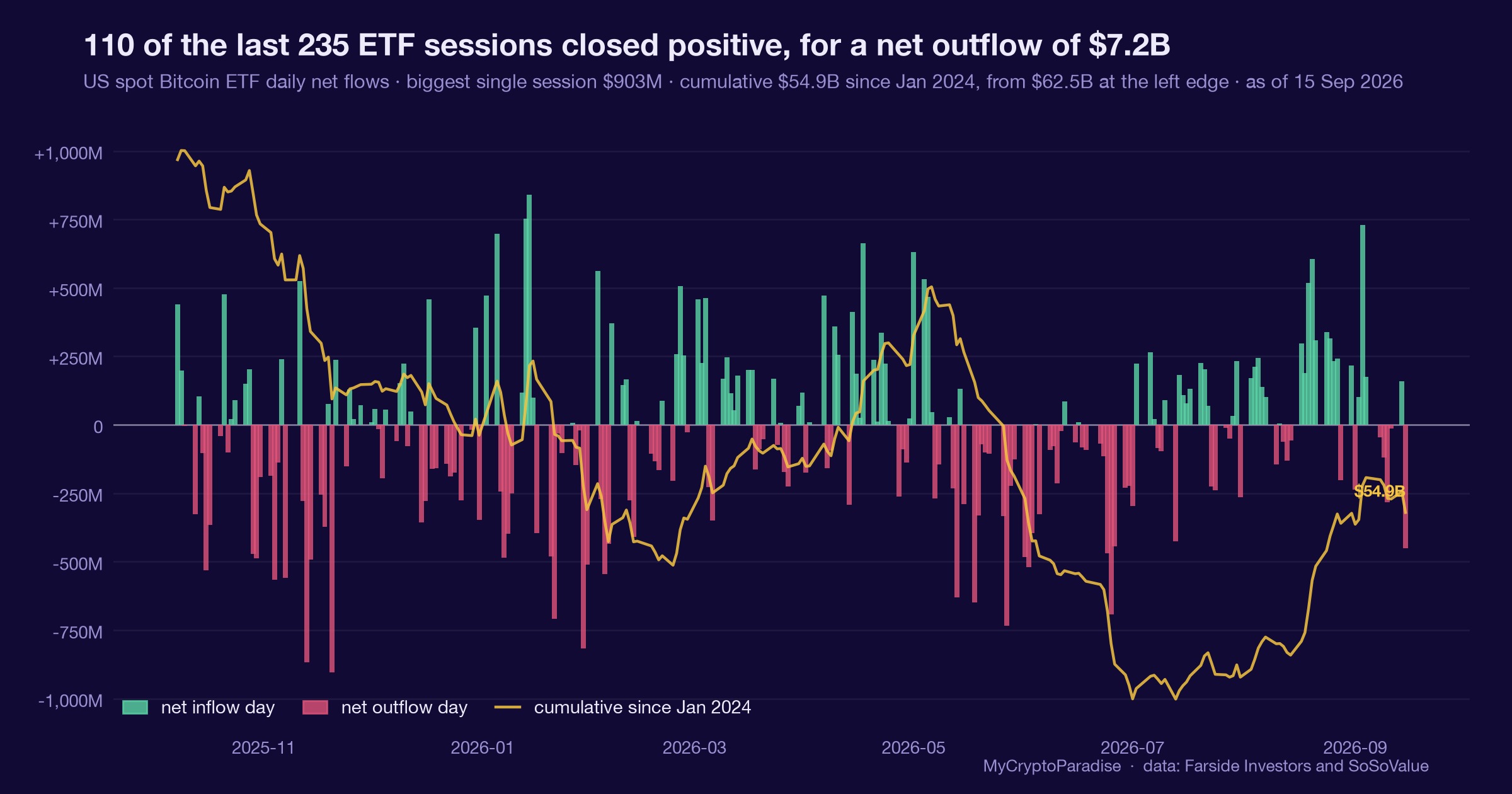
Investors should also watch institutional activity. If large market participants continue accumulating Bitcoin and Ethereum despite macro uncertainty, it could help offset some of the pressure created by restrictive monetary policy. Strong institutional demand often serves as an important stabilizing force during periods of economic uncertainty.
The biggest question now is whether the Fed’s message reflects a temporary pause before easing or the beginning of a longer stretch of restrictive policy.
Insights for Traders on Hawkish Fed Hold
For traders, the hawkish Fed hold reinforces the importance of treating macroeconomics as part of every crypto strategy. Market participants sometimes focus exclusively on blockchain developments, but liquidity conditions often determine whether bullish narratives can translate into sustained price gains.
The bullish case remains intact if inflation continues moderating and future economic data allows policymakers to soften their stance. Under that scenario, markets could begin pricing in more favorable liquidity conditions, benefiting Bitcoin, Ethereum, and eventually altcoins.
The risk scenario is equally clear. If inflation remains stubborn and Treasury yields continue climbing, investors may further reduce exposure to risk assets. That would likely create a more challenging environment for crypto, particularly for speculative segments of the market.
Bitcoin continues to act as the market’s macro barometer. Its ability to hold key support levels despite hawkish conditions would signal resilience. Ethereum’s performance could provide additional clues about investor confidence in blockchain growth sectors. Altcoins, meanwhile, remain highly dependent on broader liquidity trends.
Confirmation for the bullish thesis would come from declining yields, improving liquidity expectations, and renewed institutional demand. Invalidation would emerge if yields continue rising, the dollar strengthens further, and crypto struggles to attract fresh capital.
The Fed did not raise rates. Yet the market behaved as though financial conditions tightened anyway. Sometimes the most powerful move is not what policymakers do, but what they convince traders to expect.
ParadiseTeam is monitoring the market situation closely, and we are taking these developments into consideration while building our trading tactics inside ParadiseFamilyVIP.








Join the discussion
No comments yet. Members, share how you are reading this.