• UAE exits OPEC and OPEC+, signaling a major shift in global energy dynamics
• OPEC’s cohesion at risk with Saudi Arabia’s leadership now challenged
• Trump claims a win, framing the UAE’s move as a victory for U.S. interests
The UAE just exited OPEC, rattling oil markets and petrodollar norms. If energy flows shift, does crypto become the next safe haven for oil money?
The UAE is officially exiting OPEC and OPEC+, starting from May 1, 2026, and that’s bound to shake up the global oil scene. This isn’t just about leaving a group, it’s happening as tensions heat up in the region, especially around the Strait of Hormuz. The UAE’s move might signal a much bigger shift in how countries handle oil policy.
OPEC used to run the show when it came to oil production and pricing, with Saudi Arabia leading the way on quotas. But now, the UAE’s breaking off, and honestly, the cracks in the alliance are starting to show. Some analysts worry this split could mess up OPEC’s control over supply and prices.
The timing couldn’t be more dramatic. The Middle East is still dealing with the fallout from recent conflicts, and oil flow disruptions just keep coming.
The Strait of Hormuz has always been a sticking point, about one-fifth of the world’s oil passes through there. Iran’s latest push to take charge of the strait is only fueling more uncertainty. Right now, global markets are feeling pretty jittery.
UAE’s Exit and Why it Matters on Global Oil Supply
The UAE’s choice to leave OPEC marks a major change in how it handles energy production and pricing. Historically, the UAE has been a dependable member, collaborating with others to maintain oil production levels and keep prices steady. Now, by stepping away, the UAE seems keen to take control of its oil production and pricing strategies without being tied to OPEC’s broader framework.
With the UAE gone, Saudi Arabia might find itself dealing with a more divided group, which could diminish its power within OPEC. This shift could foster a more competitive atmosphere among member countries, each chasing its own interests, potentially resulting in greater volatility in the global oil market.
As oil prices keep changing due to geopolitical tensions, this move might also encourage other countries to reconsider whether they want to stay in OPEC.
Trump’s Victory and the Political Implications
U.S. President Donald Trump has always been vocal about his discontent with OPEC, often claiming that the organization manipulates oil prices in a way that harms the global economy. He has positioned OPEC’s actions as harmful to U.S. interests, particularly in light of America’s military support for its member countries in the Gulf region.
With the UAE’s recent decision to exit OPEC, Trump views this as a win for the U.S., suggesting that it signals a break from OPEC’s price control and marks progress toward greater energy independence. This move fits well with his larger goal of decreasing U.S. dependency on foreign oil and promoting domestic production.
The UAE stepping back from OPEC could widen the political rift between the U.S. and the organization, especially as Trump advocates for a more independent energy policy. By distancing itself from OPEC, the UAE seems to send a message that countries should have the autonomy to determine their own energy strategies, rather than being tied to a major cartel.
Impact on Global Oil Prices and Bitcoin
The recent decision made by the UAE has hit the oil futures markets hard, causing Brent crude prices to spike by as much as 9%. This surge has sparked fresh worries about potential oil supply issues in the Middle East.
The Strait of Hormuz, a critical area for global oil transport and often a hotspot for geopolitical conflicts, could see prices rise even more if any disruptions occur here, which would add to inflation concerns worldwide.
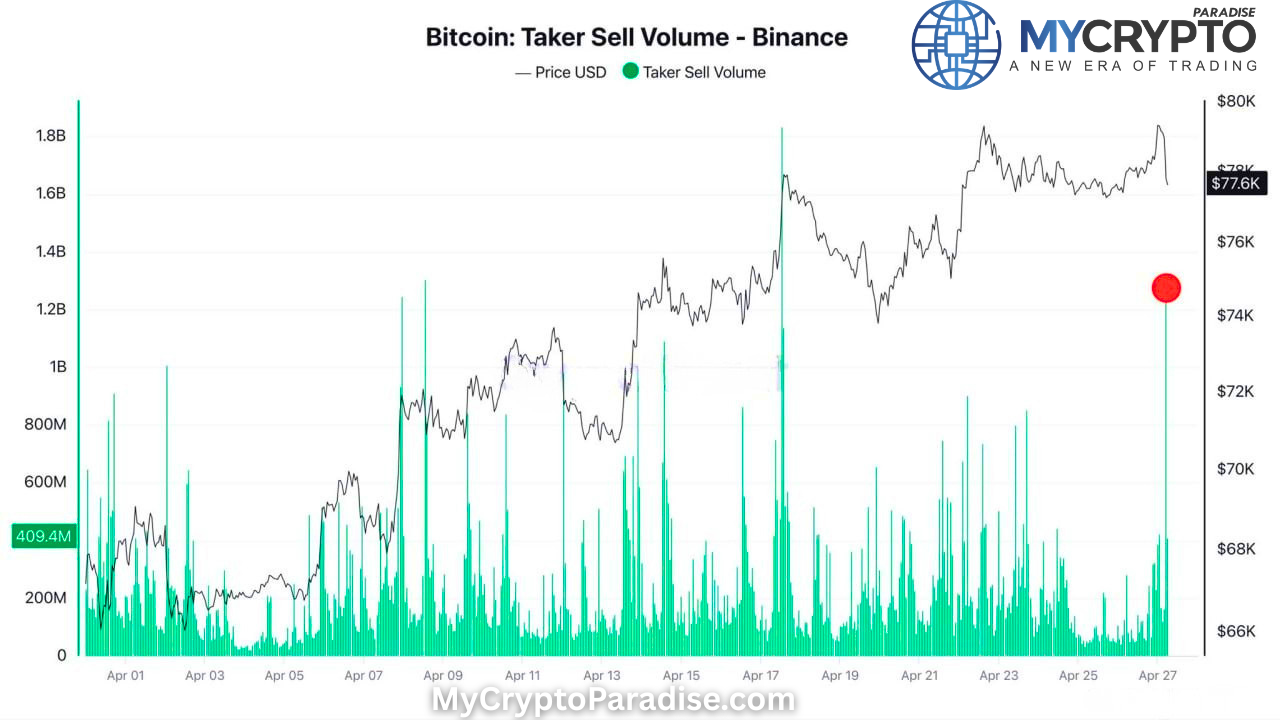
Bitcoin, which tends to move in tandem with oil prices because it’s often viewed as a risky investment, has shown similar trends. After briefly surpassing $78,000, Bitcoin has settled back into the $75,800 to $77,100 range, mirroring the downturn in oil prices.
As tensions in the region escalate, Bitcoin’s value is likely to keep shifting alongside global oil price changes as investors reassess their risk levels.
What to Watch Next: Geopolitical Developments and Oil Markets
The situation remains fluid, and much depends on the unfolding geopolitical events in the Middle East. The next major catalyst will be the ongoing talks between the U.S. and Iran, as both countries try to come to a resolution regarding oil flow and military presence in the region.
The current ceasefire agreement, which is set to expire on April 22, will also play a crucial role in shaping the direction of the market. If tensions escalate further, oil prices could surge again, putting additional pressure on risk assets like Bitcoin.
For now, the markets are holding their breath, watching for any signs of progress or further escalation in the region. The UAE’s exit from OPEC is just one piece of a much larger geopolitical puzzle, and its long-term impact on both oil prices and digital assets like Bitcoin remains to be seen.