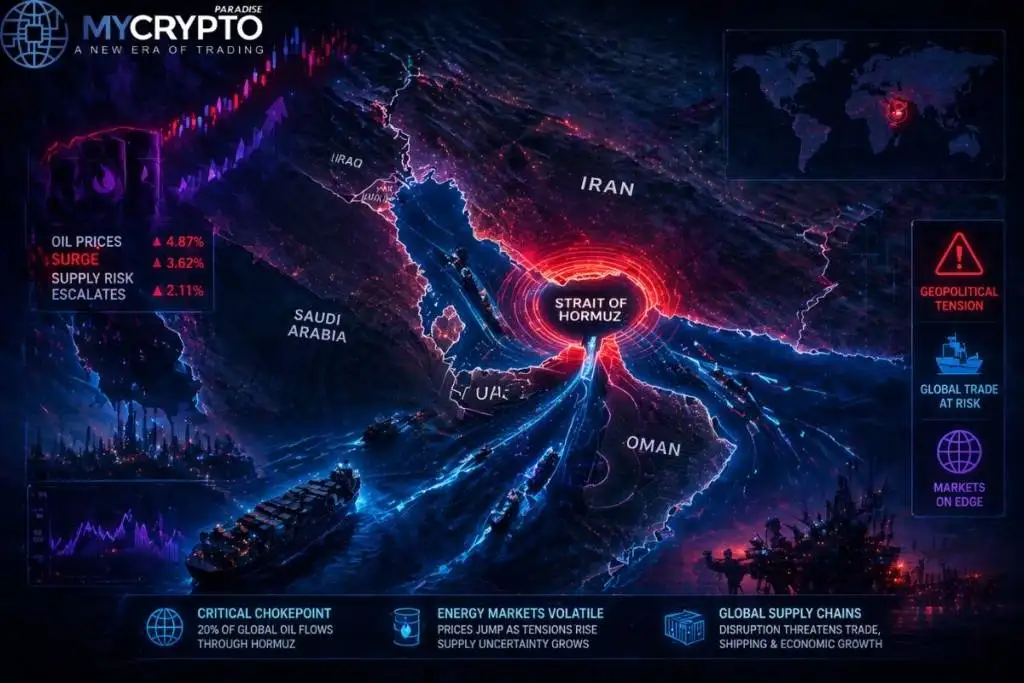
- 13 million bpd is trapped in the wider Hormuz disruption.
- India and China are bidding for replacement barrels from Russia.
- Fewer Gulf flows mean tighter inflation risk and thinner liquidity.
When 13 million barrels a day get stuck at the world’s narrowest choke point, does crypto hear oil first or liquidity last?
Hormuz disruption has turned geography into pricing power. Around 13 million barrels per day are effectively offline, forcing major importers like India and China into a scramble for replacement crude.
This is not just a supply shock. It is a logistics shock. Oil exists, but it is stranded, rerouted, or delayed. And in energy markets, timing matters as much as volume.
The first place they turned was Russia. Saudi Arabia remains a fallback, but not an unlimited one, and its extra crude is leaning more toward China than India. The shift is already visible in flows. India’s imports through the affected route fell to 247,000 bpd in April, while China’s dropped to 222,000 bpd.
That is not a shipping footnote. It is a repricing mechanism.
What changed is simple enough to explain and nasty enough to matter. A key artery for global energy flows became less reliable, Asian buyers had to replace missing barrels, and the easiest substitute was Russian crude.
That matters structurally because oil is never just oil. It is inflation with a tanker schedule. Once energy security becomes scarce, policymakers get less room to relax, importers pay more to secure supply, and risk assets lose the benefit of easy macro assumptions.
Why Hormuz Oil Shock Matters for Crypto
Crypto does not trade in a vacuum; it trades in the shadow cast by rates, dollar strength, and global liquidity.
A Hormuz-led oil squeeze raises the odds of firmer energy prices, which feeds inflation pressure, especially for large importers. Inflation pressure then makes central banks less eager to cut, or at least more cautious about sounding generous.
That slows the liquidity impulse markets have been hoping for. The route from oil to crypto is not mysterious. It is oil to inflation, inflation to rates, rates to liquidity, and liquidity to BTC, ETH, and the rest of the risk curve.
There is also a second order effect that matters just as much. When India and China are forced to scramble for fewer barrels, they are not merely paying more; they are reallocating capital toward necessity.
That tends to tighten financial conditions at the margin, especially across emerging markets and energy sensitive trade networks. Crypto usually enjoys periods when money can afford to be daring.
Energy shocks make money behave like a Victorian banker.
Market Impact of Hormuz Oil Shock
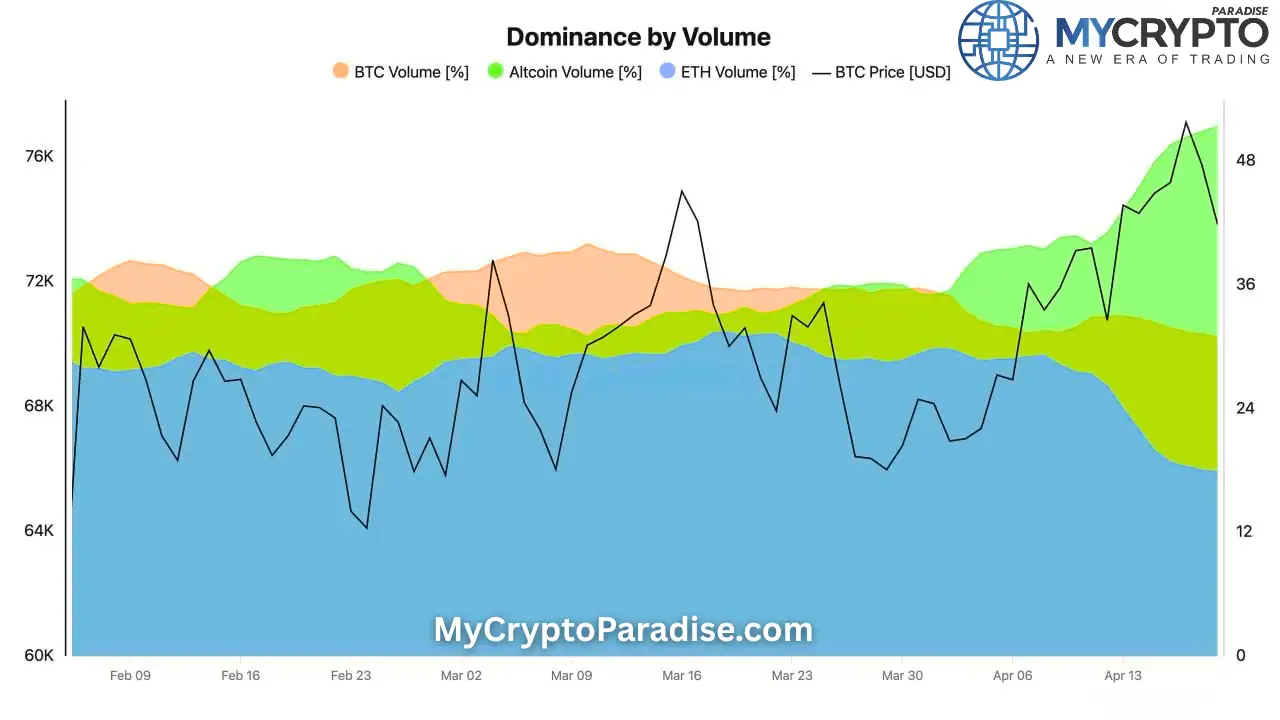
For Bitcoin, the impact is mixed but mostly clear. BTC tends to hold up better than the rest of crypto when macro stress rises because it is the least complicated expression of digital risk.
If the market starts to price higher oil, stickier inflation, and a slower path to easier policy, Bitcoin may outperform on a relative basis even if headline upside is capped. The market reaction is quiet. The implication is not.
Ethereum is more sensitive to broader risk appetite and capital rotation. If liquidity expectations soften, ETH can lag BTC because it sits closer to the part of the market that needs confidence, not just conviction.
It benefits when participants are willing to move down the curve into ecosystem and beta exposure. Oil shocks do the opposite. They encourage selectivity.
Alts are where the pain usually becomes visible first. If energy driven macro stress persists, alts face the familiar double hit of thinner liquidity and lower tolerance for speculative duration. That does not mean random collapse, but it does mean the burden of proof gets heavier.
Narratives can survive many things. They rarely survive a macro bid for caution.
What to Watch Next After Hormuz Disruptions
The next signal is not just whether oil moves higher, but whether it stays elevated long enough to shift rate expectations.
Persistent energy prices feed directly into inflation, which can delay or even reverse expectations for rate cuts.
Traders should watch whether the disruption spreads, whether US Iran diplomacy resumes, and whether replacement supply from Russia and Saudi Arabia can offset the shock.
When oil remains above key levels, central banks may be forced to stay tighter for longer. If flows normalize, the inflation impulse fades and rate expectations can ease.
Provided that Russia keeps absorbing more Asian demand while Gulf flows remain impaired, the market will likely treat this as a durable supply reshuffle rather than a passing headline.
Watch inflation expectations, front end bond yields, and the dollar alongside crude. If those begin to firm together, crypto will have to trade through a less generous liquidity scene.
If crude stabilizes, replacement barrels scale up, and the disruption proves operational rather than structural, the pressure on macro pricing can fade quickly.
That is the invalidation path. Until then, every bounce in risk assets has to answer one awkward question: has liquidity improved, or have traders simply become bored of the problem?
Insights for Traders on Hormuz Oil Shock
The correct framing is not “oil up, crypto down” in an unrealistic way. It is that an oil shock changes the hurdle rate for risk. BTC remains the cleaner relative hold if macro uncertainty rises and cash flow breadth narrows.
ETH needs evidence that the market is willing to rotate back into higher beta quality. Alts need more than positivity; they need conditions that stop punishing speculation.
Confirmation comes from sustained crude strength, sticky inflation signals, and any sign that central banks are being pushed toward caution rather than relief. In that setup, traders should respect relative strength over narrative enthusiasm and treat alt rallies with healthy suspicion.
Invalidation comes if replacement supply is sufficient, oil volatility cools, and rate markets stop reacting.
In that case, crypto can return to trading on its own internal drivers.
Until then, Hormuz remains the primary driver, Russia acts as the release valve, and the broader market adjusts to the consequences.
This is not momentum. It is groundwork.
ParadiseTeam is monitoring the market situation closely, and we are taking these developments into consideration while building our trading tactics inside ParadiseFamilyVIP.