- Ripple Treasury integrates with FedNow through ClearConnect
- U.S. real-time payment rails now accessible via Ripple infrastructure
- This move bridges traditional banking systems with blockchain settlement
If real-time U.S. payment rails connect with blockchain networks, does this quietly make traditional payment systems obsolete?
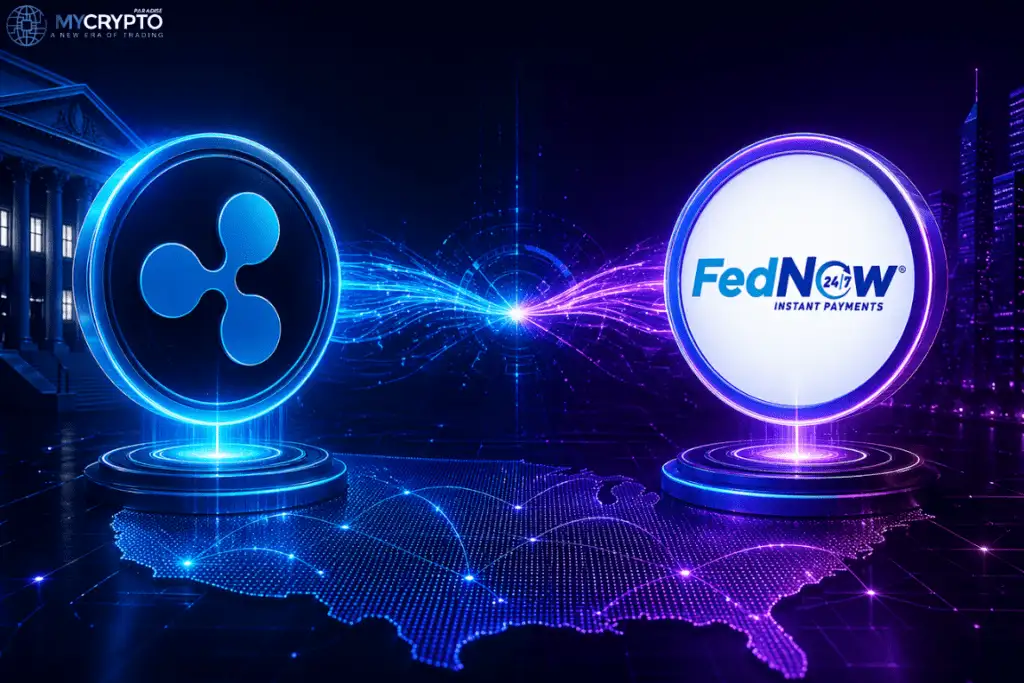
Ripple has made a big move into U.S. payment systems. They have integrated their Treasury platform to the Federal Reserve’s FedNow system via ClearConnect as the gateway. This is not a pilot or concept, it is a working connection between blockchain infrastructure and one of the most important real-time payment systems in the United States.
The transition is evident. Ripple is no longer operating only at the edge of the financial system.. By linking into FedNow, it places its infrastructure closer to domestic payment flows, where real-time settlement already happens at scale. ClearConnect is the helper, the middleman facilitating the communication between Ripple’s network and the traditional banking systems so that there is no need for major changes.
Who is involved matters here. The Federal Reserve’s FedNow network represents instant settlement across U.S. banks. Ripple stands for the provision of liquidity via blockchain and the facilitation of cross-border transactions. Together, this creates a hybrid system where traditional rails and digital infrastructure begin to overlap. That overlap is where future liquidity is likely to form.
Why FedNow Integration Matters for Crypto
The driver here is integration of blockchain with real-time payment rails.
With Ripple joining FedNow, things go down really fast, making payments smoother, lowering financial friction, and making it easier for liquidity to go back and forth between traditional systems and crypto.
It is just a regular liquidity narrative under the disguise of the central bank.
When traditional payment rails and blockchain align, capital does not need to choose sides.
Market Impact of FedNow Integration
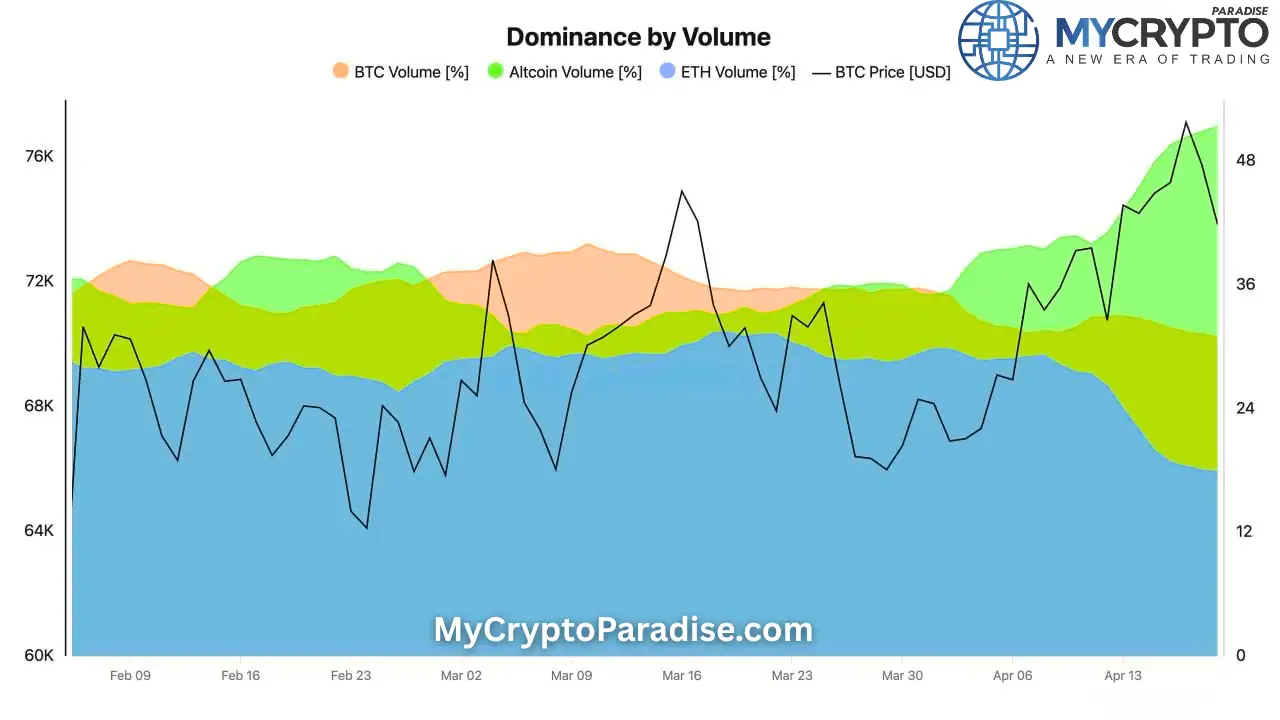
BTC might not be impacted very much initially, but the big picture still paints it as a trusty reserve asset as more fiat currencies get linked with blockchain networks.
ETH stands to benefit from increased transaction relevance. As payment systems evolve toward real-time settlement, demand for programmable and scalable infrastructure grows.
Alts tied to payments, interoperability, and financial infrastructure may see stronger positioning. However, those lacking real-world use cases may find themselves out of favor as the market moves towards efficiency-driven adoption.
The market reaction is quiet. The implication is not.
What to Watch Next After FedNow Integration
The integration’s value hinges on whether financial institutions and enterprises will use Ripple’s link to FedNow actively, so keep an eye on the adoption level among banks.
If the Ripple Treasury transaction volumes go up, that means liquidity is really moving and not just the presence of infrastructure.
U.S. regulatory alignment is another thing to watch. More clarity would mean quicker integration between traditional finance and blockchain systems.
Besides, keep an eye on competitors. If other networks go for such integration, the battle for payment infrastructure dominance will be fiercer.
Insights for Traders on FedNow Integration
This is not a short-term price catalyst. It is a structural positioning move.
If usage increases, the liquidity exchanges between traditional finance and cryptocurrency will be done faster and more fluidly, thus enhancing the position of the blockchain in the ecosystem of global payments.
If adoption stalls, the integration remains a narrative. If it scales, it becomes a foundation.
ParadiseTeam is monitoring the market situation closely, and we are taking these developments into consideration while building our trading tactics inside ParadiseFamilyVIP