- THORChain pauses swaps after suspected multi chain exploit activity
- RUNE faces pressure as security concerns hit cross chain liquidity confidence
- Researchers estimate losses above $10 million while investigation continues
While a protocol handling cross chain liquidity suddenly hits the brakes, traders notice fast. Is the THORChain exploit scare exposing deeper cracks in DeFi plumbing?
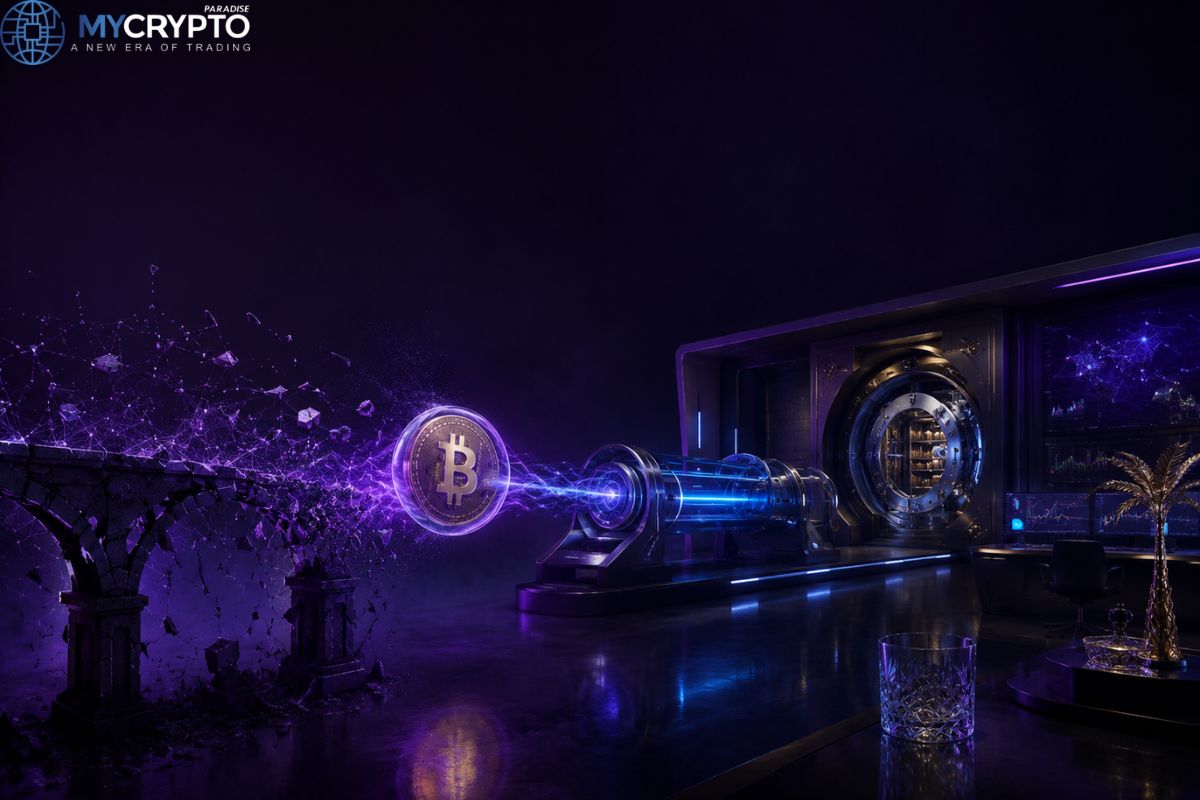
THORChain halted swaps on Friday after blockchain security researchers flagged suspicious activity linked to potential exploit flows across Bitcoin, Ethereum, BNB Chain, and Base connected transactions.
Public reporting tied the investigation to researchers including ZachXBT and PeckShield, with estimated losses climbing above $10 million as the situation remained active and under review.
Importantly, this was not framed as a fully confirmed post mortem with neat conclusions and polished diagrams. The event developed in real time, which is usually when crypto becomes most educational and least relaxing.
THORChain is important because it enables direct cross chain swaps. That’s useful in normal markets, but risky when confidence drops. Like plumbing you only notice it when there’s a problem. .
The trading halt immediately shifted attention toward operational risk inside interoperability layers. In calmer markets, traders celebrate cross chain efficiency. Under stress, they suddenly rediscover counterparty risk with almost religious conviction.
Why THORChain Exploit Fears Matter for Crypto
THORChain exploit fears matter because the protocol acts as a liquidity connector between major blockchain ecosystems. When that connectivity faces disruption, the issue extends beyond RUNE itself and into broader trust around decentralized swap infrastructure.
The macro transmission mechanism here is confidence driven rather than rate driven. Security uncertainty weakens user trust, weaker trust reduces liquidity participation, and thinner liquidity raises risk premiums across DeFi markets.
Crypto markets can tolerate volatility surprisingly well. What they struggle with is uncertainty around whether core infrastructure remains reliable during live trading conditions.
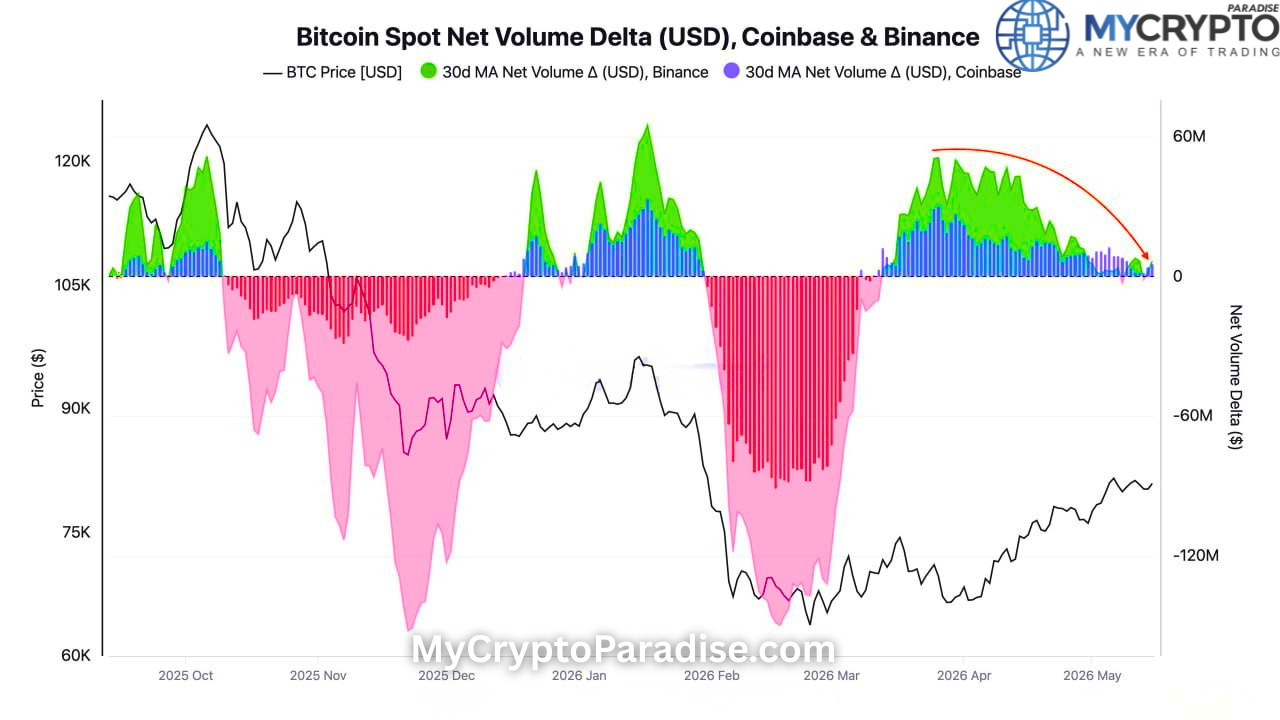
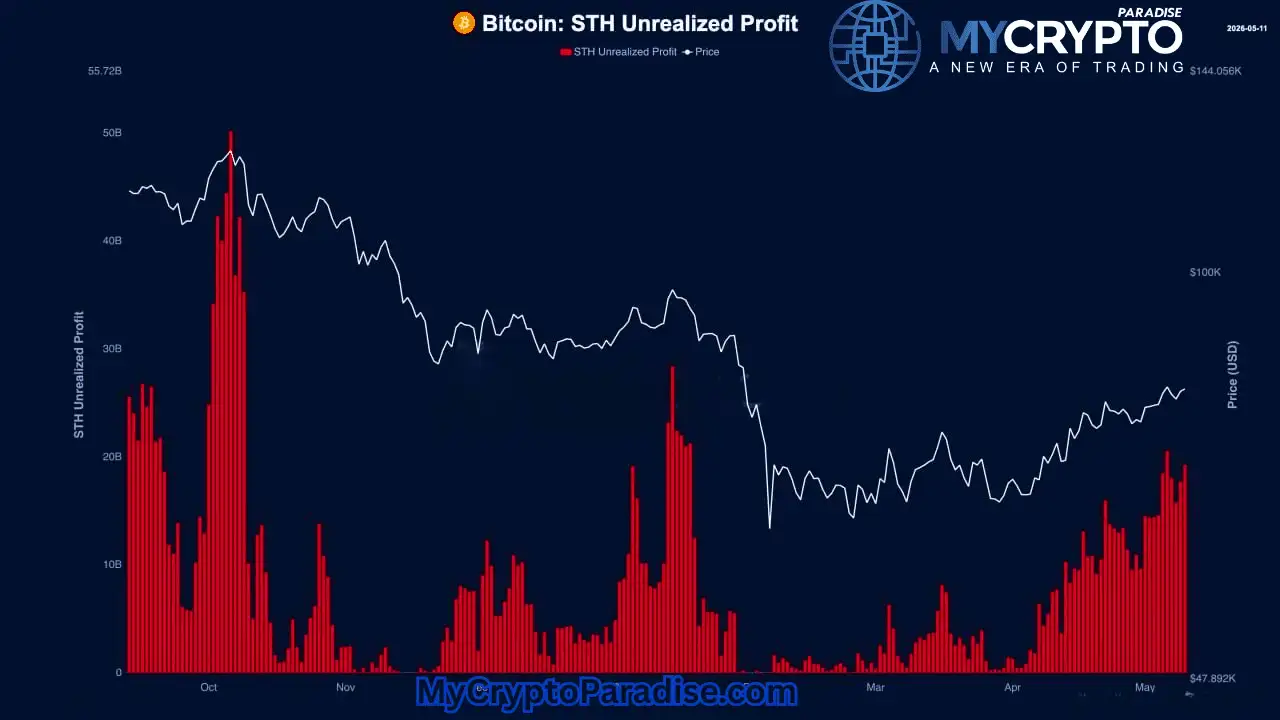
This also arrives during an already cautious market backdrop. Bitcoin has been trading with softer momentum, liquidity conditions remain selective, and traders are less willing to absorb protocol specific risk without immediate clarity.
For the broader DeFi ecosystem, the incident brings back a familiar tension: interoperability is both a major growth driver and a persistent vulnerability. Cross chain systems improve capital efficiency, but they also expand the attack surface. The same narratives that attract investors tend to attract attackers as well.
Market Impact of THORChain Exploit Fears
RUNE absorbed the most direct pressure as traders reacted to the swap halt and exploit headlines. Even without a confirmed final damage assessment, markets typically discount uncertainty aggressively, especially when protocol security becomes the central narrative.
Bitcoin itself did not show signs of broader panic tied directly to the THORChain situation. That distinction matters. This currently looks more like a protocol specific liquidity shock than a systemic crypto event.
Ethereum and BNB Chain related DeFi sentiment could still feel secondary effects if traders begin reassessing cross chain exposure more broadly. Exploit fears often trigger temporary rotations toward simpler or more battle tested infrastructure.
Altcoins tied to interoperability, bridges, and cross chain routing are likely to face increased scrutiny. Traders tend to reprice narrative driven sectors quickly once operational risks become visible. The market’s logic is straightforward: convenience matters far less when trust is in question.
A second order effect worth watching is liquidity fragmentation. If users pull back from cross chain activity temporarily, trading depth across smaller ecosystems could weaken, making volatility sharper across mid cap and speculative assets.
What to Watch Next After the THORChain Swap Halt
The key question is whether THORChain can fix swaps quickly and explain what happened. Markets don’t expect perfection, but they do expect good handling of problems.
Official technical clarification will matter heavily. Traders will watch closely for confirmed exploit vectors, affected chains, recovery measures, and whether additional vulnerabilities remain under investigation.
Liquidity behavior across RUNE markets is another important signal. If trading stabilizes despite the incident, confidence damage may remain contained. Continued aggressive outflows or widening volatility would suggest deeper concerns around protocol trust.
If Bitcoin strengthens and liquidity improves, traders may return to DeFi. If markets stay cautious, recovery will likely be slow.
Insights for Traders on the THORChain Incident
The THORChain incident is ultimately a reminder that infrastructure risk still matters enormously in crypto, even during periods where markets appear increasingly institutionalized.
For traders, the key distinction is whether this develops into an isolated exploit event or triggers wider distrust toward cross chain liquidity systems. The first scenario creates localized volatility. The second changes risk appetite across entire DeFi segments.
Aggressive traders may buy dips if things stabilize, but only if trust comes back quickly. Otherwise, capital may shift toward simpler systems or centralized venues while uncertainty remains.
Stabilization means swaps are back, losses are contained, and liquidity improves for THORChain. If the issue spreads, it’s a negative signal. Crypto may be “trustless,” but confidence still drives everything.
ParadiseTeam is monitoring the market situation closely, and we are taking these developments into consideration while building our trading tactics inside ParadiseFamilyVIP.