- Visa launches its own validator node on Tempo blockchain
- A step that takes Visa deeper into stablecoin settlement infrastructure
- A sign of increasing institutional control over blockchain payment systems
Visa is no longer just experimenting with stablecoins, it is stepping into the machinery behind them, so why does that quiet shift start to reshape how liquidity moves across crypto markets?
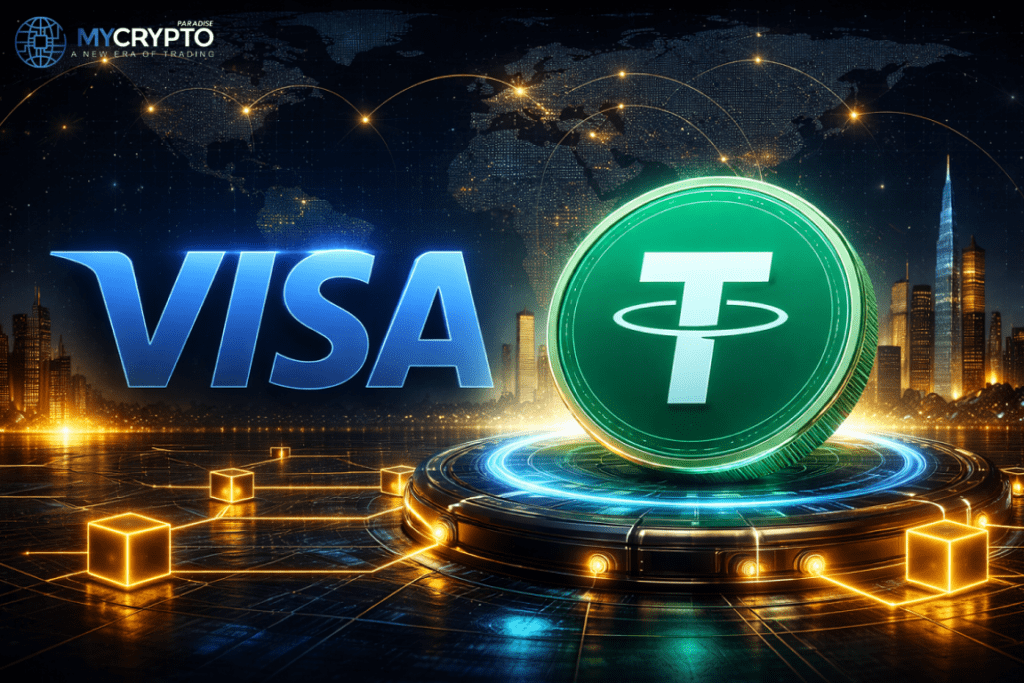
From one aspect, what Visa did looks like a technical step but, from another, it is a fundamental one. The payments giant has launched and is running a validator node of its own on the Tempo blockchain, therefore, coming off the stage of being partners to the direct involvement at the transaction layer. However, this wasn’t a quick experiment. The node was built and configured in-house after months of collaboration with Tempo’s engineering team.
This development places Visa alongside the likes of Stripe and Zodia Custody who are first-ever blockchain infrastructure providers, but it does carry quite a different connotation here. This is not a startup trying out blockchain transaction protocols. This is one of the largest payment networks in the world that is making a move to verify and settle transactions itself.
The nature of the change that happened is a little hard to detect but very significant. Visa is no longer just integrating stablecoins at the surface level. They are now part of the system that processes and secures those transactions. Such a transition gets stablecoins out of the realm of a mere feature and into that of infrastructure.
And let us not forget that the reality of infrastructure is the very place where liquidity and all other financial activities occur.
Why Visa Validator Node Matters for Crypto
The underlying theme here is settlement infrastructure under institutional control.
The more institutions are involved in running validation, the more trust gets built in the settlement layer; the higher the transactional efficiency; the easier the capital flow; the stronger the liquidity. All these aspects together contribute to the maturation of the crypto market structure.
This is not about payments. It’s about who controls the rails behind payments..
A major player, such as Visa, operating a validator means that stablecoin settlement is no longer experimental. It is becoming part of global financial system
Market Impact of Visa Validator Node
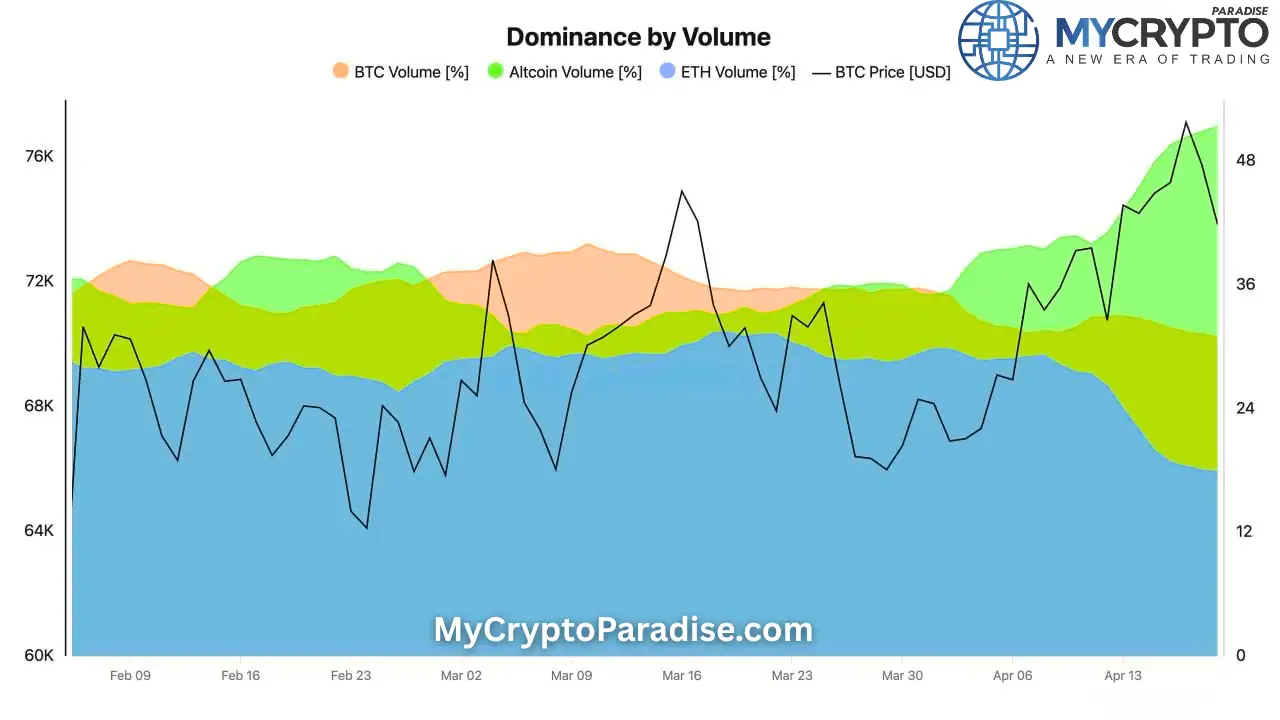
BTC is an indirect beneficiary. When the settlement infrastructures get fortified, it significantly enhances Bitcoin’s position as a major macro asset of a matured financial system.
ETH and other base layer infrastructures stand to gain more directly from it. The value of networks that enable tokenized settlements and have the capability of smart contract execution increases as more institutions get involved at the transaction level.
Alts are divided along the same familiar lines as before. Projects that focus on infrastructure and are linked to payments, tokenization, and compliance are the things that people are most interested in. Capital shifts towards systems that support real-world flows, and tokens without any utility become less central.
The market barely reacts. But the implication is significant.
What to Watch Next After Visa Validator Node Launch
Expansion is a concern. If Visa goes beyond Tempo or increases validators on multiple chains, then that would be a very strong signal.
Keep a pulse on other institutions. If more payment networks or banks jump on this, it would be clear that this is a trend and not just a one-off.
Observe stablecoin volumes. More transaction activity on these rails would be a strong validation of the liquidity thesis.
And pay attention to cross-border use cases. That is where the real efficiency gains and capital flows will show up.
Insights for Traders on Visa Validator Node Launch
This is a positioning signal, not a price trigger.
If institutions continue to move into infrastructure, we should see liquidity gradually building up instead of a sudden spike. This would be in favor of BTC as a reserve asset and ETH’s increased usage in transaction layers.
The real opportunity sits in infrastructure alignment. Generally, projects related to settlement, payments, and tokenization will benefit the most.
If the rate of adoption does not increase, this will be only a symbolic gesture. However, if adoption picks up pace, it will be a fundamental change.
The difference will manifest in flows, not in the headlines.
ParadiseTeam is monitoring the market situation closely, and we are taking these developments into consideration while building our trading tactics inside ParadiseFamilyVIP