- Realized losses drop from $2B peaks to ~$400M daily
- Profit-to-loss ratio climbs to 1.4, favoring buyers
- Spot flows turn net positive near $60K–$70K range
When sellers run out of coins to dump, what happens to price discovery?
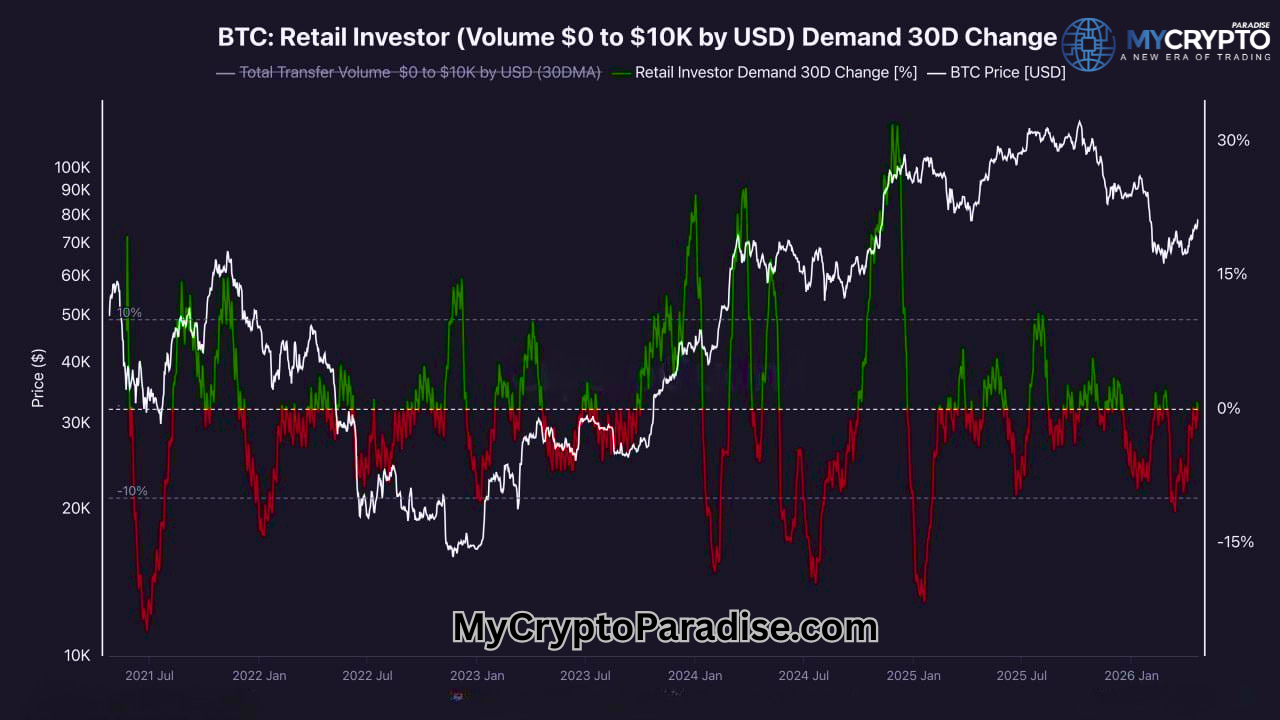
Bitcoin hasn’t been moving out of excitement, it’s been slowly building strength. After bottoming near $60,000, it didn’t jump higher, it just stopped going lower. Over time, it drifted up toward $70,000 while markets stayed cautious due to wider economic pressure.
Under the surface, the real shift was in behavior. Data shows losses falling sharply and profits staying low. That means fewer panic sellers, some small profit-taking, and coins slowly moving into stronger hands.
Why Seller Exhaustion Matters for Crypto
This is really a supply story, even if it looks like a sentiment story. When realized losses drop, it means forced selling is fading. That matters because forced sellers don’t care about price they just want out. Once they’re gone, the market starts to stabilize.
Stepping back, if oil stays above $100, inflation stays high and rates stay tight, which usually hurts liquidity. But Bitcoin is still absorbing supply more like structural demand than speculation.
This is not momentum. It is groundwork.
When the profit-to-loss ratio rises to 1.4, it confirms that coins moving on-chain are increasingly in profit. Holders are no longer exiting under pressure they are choosing to sell. That subtle shift changes everything. Choice introduces discipline; panic introduces volatility.
Market Impact of Seller Exhaustion
BTC is the primary beneficiary. With sellers thinning out around the $60K base, each incremental bid has more impact. The grind toward $70K reflects this less resistance, not more aggression.
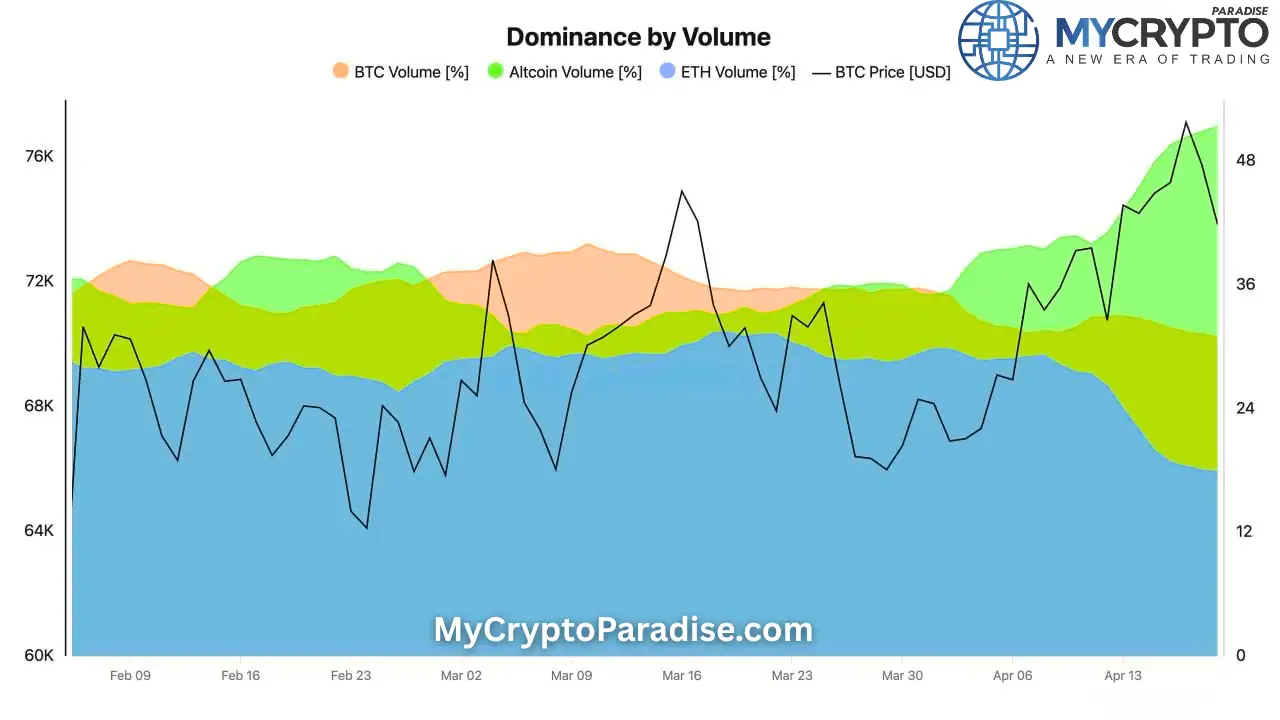
ETH typically lags in these phases but benefits next. As Bitcoin stabilizes and supply tightens, capital rotates into ETH, especially as relative risk declines. ETH’s upside here is conditional on BTC holding this buying area.
Altcoins are usually the last to benefit. When Bitcoin’s selling pressure fades, it helps reduce stress across the system, but alts still need confirmation from sustained Bitcoin strength. Without that, they mostly just follow liquidity, they’re along for the ride.
The second-order effect is what matters most: as realized losses fall, volatility starts to compress. Lower volatility then brings in larger pools of capital that used to avoid the swings. That’s how quiet markets gradually turn into more liquid ones.
What to Watch Next After Seller Exhaustion Signals
Keep an eye on realized losses. If they keep falling back toward normal levels, it means the excess supply is basically gone. That’s the signal you’re looking for.
Watch the profit-to-loss ratio. If it stays above 1, it usually means healthy distribution rather than panic selling. But if it suddenly spikes, it could signal early profit-taking and some local resistance.
From a price perspective, the $70K level isn’t really resistance, it’s more of a validation point. If price breaks and holds above it, the market is effectively confirming that the $60K range was an accumulation zone, not just a temporary relief bounce.
On the macro side, oil is still the main wildcard. If it stays above $100, it could tighten financial conditions even more. But if Bitcoin keeps absorbing supply despite that, it would add strength to the longer-term bullish case.
Insights for Traders on Seller Exhaustion
This is a positioning phase, not a chasing one. When selling pressure fades, the balance quietly shifts. The downside weakens first, and only then does the upside start to pick up.
Bitcoin shows this dynamic most clearly. As long as realized losses keep trending lower, pullbacks are likely to be smaller and don’t last as long.
ETH becomes interesting once BTC confirms above range highs. That’s where relative leading performance typically begins, driven by renewed risk allocation.
Altcoins take patience. The signal to get involved isn’t just price, it’s sustained liquidity growth after Bitcoin stabilizes. Until that happens, alts are more of an option than a conviction trade.
The invalidation is simple: if realized losses spike back toward previous highs, it means sellers aren’t finished yet. That would bring more disorder back into the market structure.
Confirmation is the opposite and honestly, it’s a bit boring: continued compression, steady buying, and a market that doesn’t panic. Quiet conditions often come before big moves.
ParadiseTeam is monitoring the market situation closely, and we are taking these developments into consideration while building our trading tactics inside ParadiseFamilyVIP.