Key Highlights
• BNP Paribas begins offering Bitcoin and Ethereum ETNs to retail clients under full MiFID II compliance
• The bank is simultaneously building tokenized funds and backing a euro stablecoin for institutional use
Yello Paradisers! When a €2.8 trillion bank starts selling Bitcoin exposure to everyday clients, is cryptocurrency still “alternative,” or already mainstream?
BNP Paribas is officially entering the crypto space at scale, launching six Bitcoin and Ethereum-linked ETNs starting March 30, 2026.
These products, issued by major asset managers like BlackRock, Invesco, WisdomTree, and VanEck, will be available to retail and private banking clients in France through regulated securities accounts. All offerings fall under MiFID II, meaning full investor protection, compliance checks, and risk disclosures apply.
But this move goes far beyond simple product distribution.
At the same time, BNP Paribas is piloting a tokenized money market fund on the public Ethereum blockchain, combining traditional finance with onchain infrastructure. Access remains permissioned, but the underlying rails are public.
In parallel, the bank is part of the Qivalis consortium, a group of 12 major European institutions working toward launching a euro-backed stablecoin by late 2026. The stablecoin is designed for institutional use cases like 24/7 settlement, cross-border payments, and programmable transactions.
Why It Matters
This is not experimentation. This is alignment.
Banks do not move this carefully unless regulation finally gives them permission to act confidently.
MiCA and MiFID II have effectively turned crypto from a legal question mark into a product category. And once something becomes a product, banks compete to sell it.
Interestingly, BNP says it is not recommending crypto. Which is a bit like opening a restaurant and saying you are not recommending food.
Market Impact
Short term, this may not trigger immediate price movement.
But structurally, it strengthens the bridge between traditional finance and crypto markets.
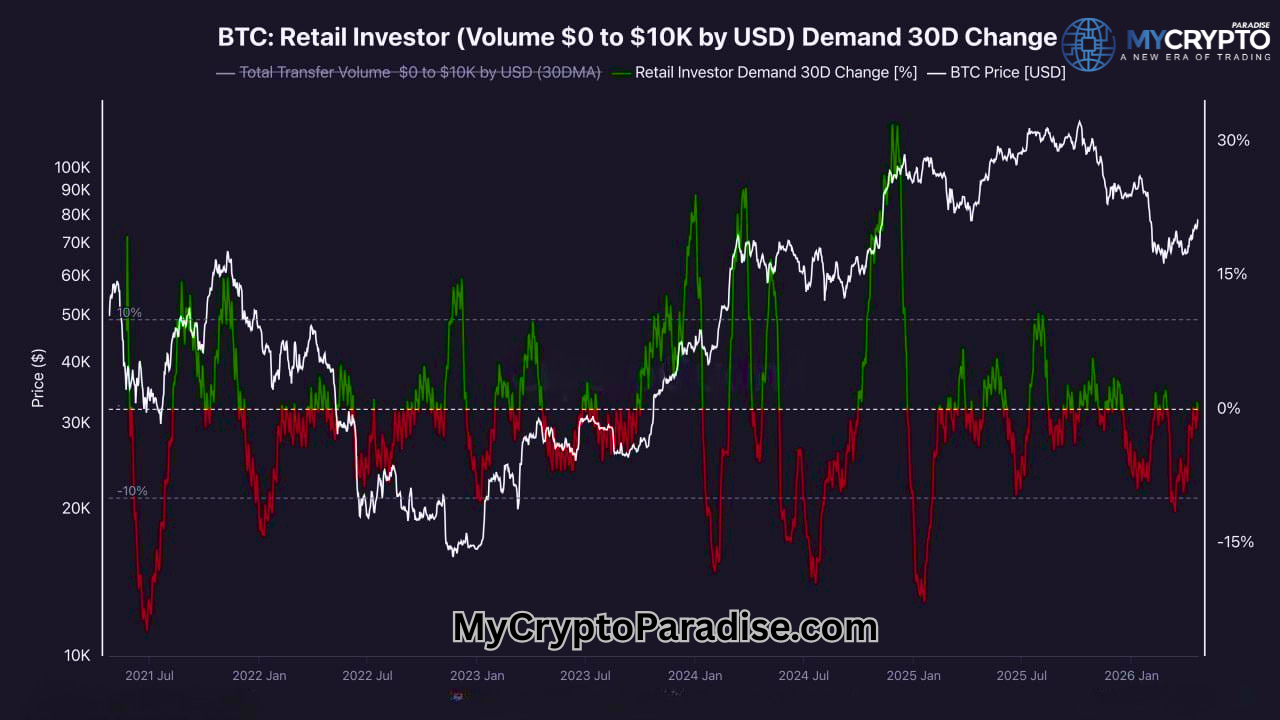
Retail investors now gain regulated exposure through familiar banking channels, lowering the psychological and operational barriers to entry.
At the same time, tokenized funds and stablecoins signal deeper infrastructure changes. This is about how money moves, settles, and earns yield in the future, not just how Bitcoin trades today.
What to Watch Next
Watch how quickly BNP expands these offerings beyond France into global wealth management.
Monitor the development timeline of the Qivalis euro stablecoin.
Track adoption of tokenized funds, especially institutional participation.
Observe whether other European banks accelerate similar rollouts under MiCA.
Insights for Traders
Big players are not choosing between TradFi and crypto anymore. They are merging both.
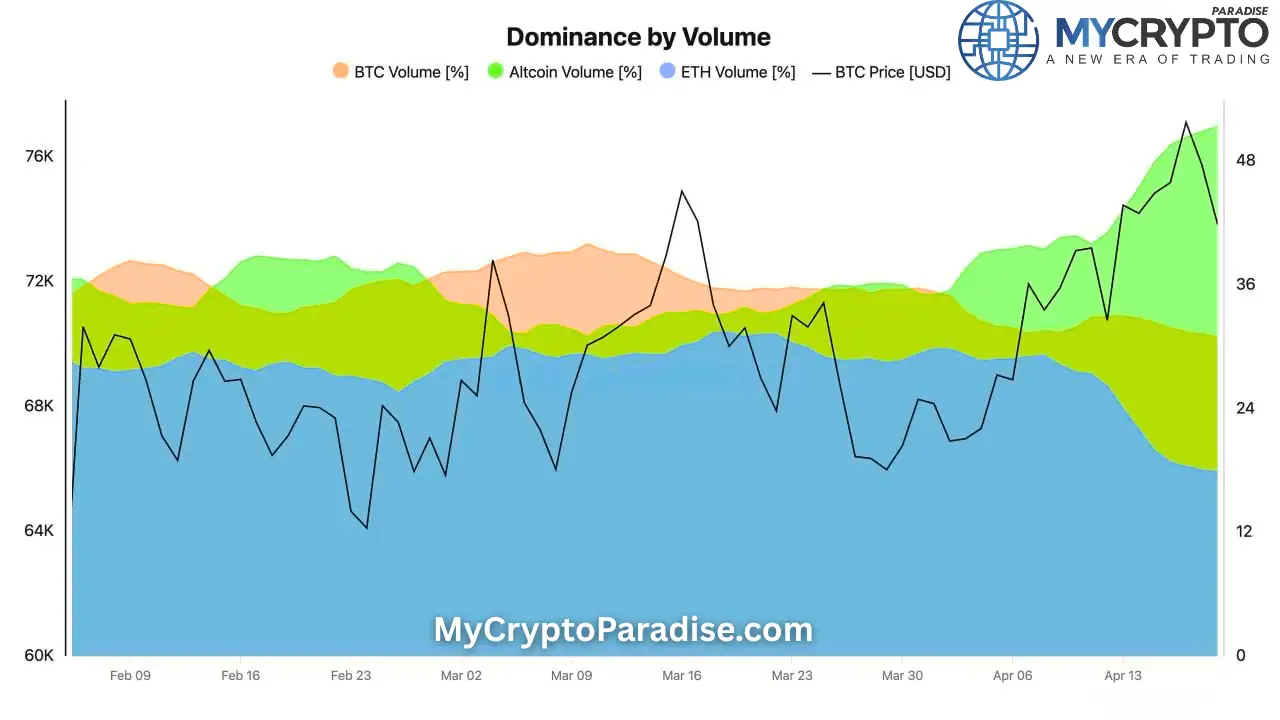
The first-order effect is increased access. More investors can now enter crypto through regulated channels without touching wallets or exchanges.
The second-order effect is more powerful. As banks build tokenized infrastructure and stablecoins, they start controlling the rails through which liquidity flows.
And here’s the subtle shift. Crypto was supposed to disrupt banks. Instead, banks are redesigning crypto into something they can distribute, regulate, and scale.
ParadiseTeam is monitoring the market situation closely, and we are taking these developments into consideration while building our trading tactics inside ParadiseFamilyVIP.