Key Highlights
• Crypto trading and lending platform BlockFills has filed for Chapter 11 bankruptcy protection in Delaware
• The company reported $50M to $100M in assets against $100M to $500M in liabilities after freezing client withdrawals
Yello Paradisers! A crypto lender that processed billions in trades has suddenly filed for Chapter 11 after freezing withdrawals. Another isolated collapse, or a reminder of how fragile crypto credit markets can become during volatility?
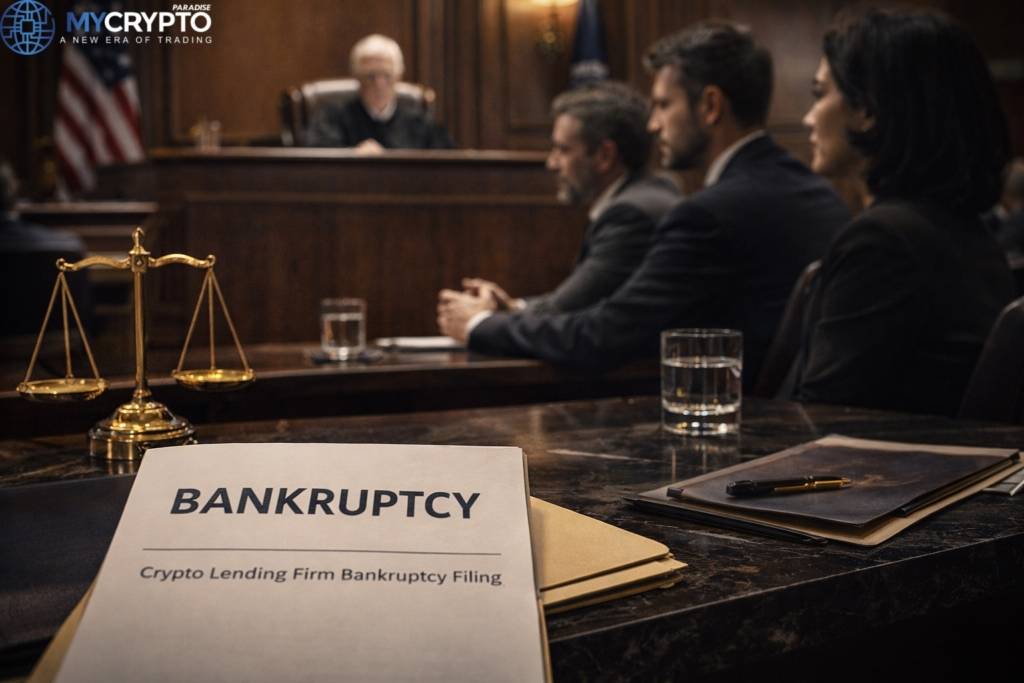
U.S.-based crypto trading and lending platform BlockFills has filed for Chapter 11 bankruptcy protection in the U.S. Bankruptcy Court for the District of Delaware.
The filing was submitted by Reliz Technology Group, the parent company operating BlockFills. Court documents reveal that the firm reported between $50 million and $100 million in assets while listing liabilities ranging from $100 million to $500 million.
The bankruptcy follows a liquidity crisis that forced the platform to halt client deposits and withdrawals earlier this year. The company initially described the suspension as a temporary step designed to protect clients during extreme market volatility.
Before the collapse, BlockFills was a significant institutional player in crypto markets. Court filings indicate the platform facilitated roughly $60 billion in trading volume during 2025 and served more than 2,000 institutional clients, including hedge funds, professional traders and Bitcoin mining firms.
Why It Matters
Crypto lending businesses operate at the intersection of liquidity, leverage and trust.
When markets are calm, the model works efficiently. Collateral rises in value, liquidity flows freely and lenders can comfortably extend credit.
But when volatility spikes, that same structure can quickly become unstable. Liquidity tightens, counterparties reassess risk and suddenly the business model starts looking less like financial engineering and more like a balancing act.
In other words, the system works beautifully until the moment it doesn’t.
Market Impact
Crypto credit sector: Another bankruptcy reinforces the risks surrounding centralized crypto lending platforms.
Institutional exposure: Many of BlockFills’ clients were institutional participants, highlighting how deeply integrated crypto credit markets have become.
Market sentiment: Lending failures tend to trigger broader concerns about counterparty risk across trading firms.
The creditor list also reveals how widely connected the platform was. Claims include large investors, financial institutions and crypto companies.
The largest creditor is 007 Capital LLC with roughly $17.1 million owed. Other notable creditors include the Richard E. Ward Revocable Trust with $9.4 million and Artha Investment Partners with approximately $6.9 million.
Even the Chicago Blackhawks hockey team appears on the creditor list with a disputed claim of about $1.3 million. Finance occasionally turns up in places you would normally expect to see skates instead of spreadsheets.
What to Watch Next
Monitor how the bankruptcy court handles BlockFills’ restructuring process.
Watch whether client funds can be recovered through liquidation or restructuring.
Track whether other institutions disclose exposure to the platform.
Observe whether regulators increase scrutiny of centralized crypto lending platforms.
Insights for Traders
Credit stress in crypto markets tends to appear gradually before it becomes visible.
Platforms often function smoothly during bullish cycles because rising collateral values mask structural weaknesses. When markets become volatile, those weaknesses surface quickly.
The second-order effect is institutional caution. When one lending platform collapses, professional traders begin re-evaluating exposure to similar counterparties.
Liquidity may still exist, but trust becomes the more valuable asset.
ParadiseTeam is monitoring the market situation closely, and we are taking these developments into consideration while building our trading tactics inside ParadiseFamilyVIP.