Key Highlights
• President Trump accuses banks of blocking crypto access and stalling the CLARITY Act
• Bitcoin surges above $71,000 with a 6 percent move amid the policy clash
• Debate centers on whether crypto platforms should offer yield on stablecoins
Yello Paradisers! When the White House starts fighting the banking lobby, is crypto policy about to change faster than markets expect?
U.S. President Donald Trump has publicly confronted the banking industry, accusing major financial institutions of undermining his administration’s digital asset agenda and delaying the passage of the CLARITY Act.
In a statement posted on Truth Social on March 3, Trump criticized banks for protecting record profits while opposing legislation that could expand crypto access. He argued that blocking progress on digital asset regulation risks weakening U.S. financial leadership.
The dispute revolves around the stalled CLARITY Act, a market structure bill designed to clarify regulatory oversight of digital assets. The legislation passed the House but has stalled in the Senate amid lobbying from traditional banking institutions.
Banks are particularly opposing provisions that could allow crypto platforms to distribute yield on stablecoin holdings. Financial institutions fear that such mechanisms could pull deposits away from traditional bank accounts into higher yielding crypto platforms.
Meanwhile, the administration has also begun dismantling regulatory barriers tied to Operation Choke Point 2.0. On March 1, the Office of the Comptroller of the Currency repealed Interpretive Letter 1179, removing requirements for banks to obtain pre approval before engaging in crypto related activities.
Why It Matters
Access to banking infrastructure remains one of the biggest structural challenges for the crypto industry.
Without reliable banking rails, exchanges and crypto firms face higher operational costs, settlement delays, and liquidity risks. The conflict between the crypto industry and traditional banks reflects a broader power struggle over control of financial infrastructure.
The CLARITY Act is intended to provide a clearer framework for how digital assets are classified and regulated. If passed, it could reduce regulatory uncertainty that has long slowed institutional adoption in the United States.
Second order effects extend beyond legislation. The debate over stablecoin yield could reshape how digital dollars compete with traditional bank deposits.
Market Impact
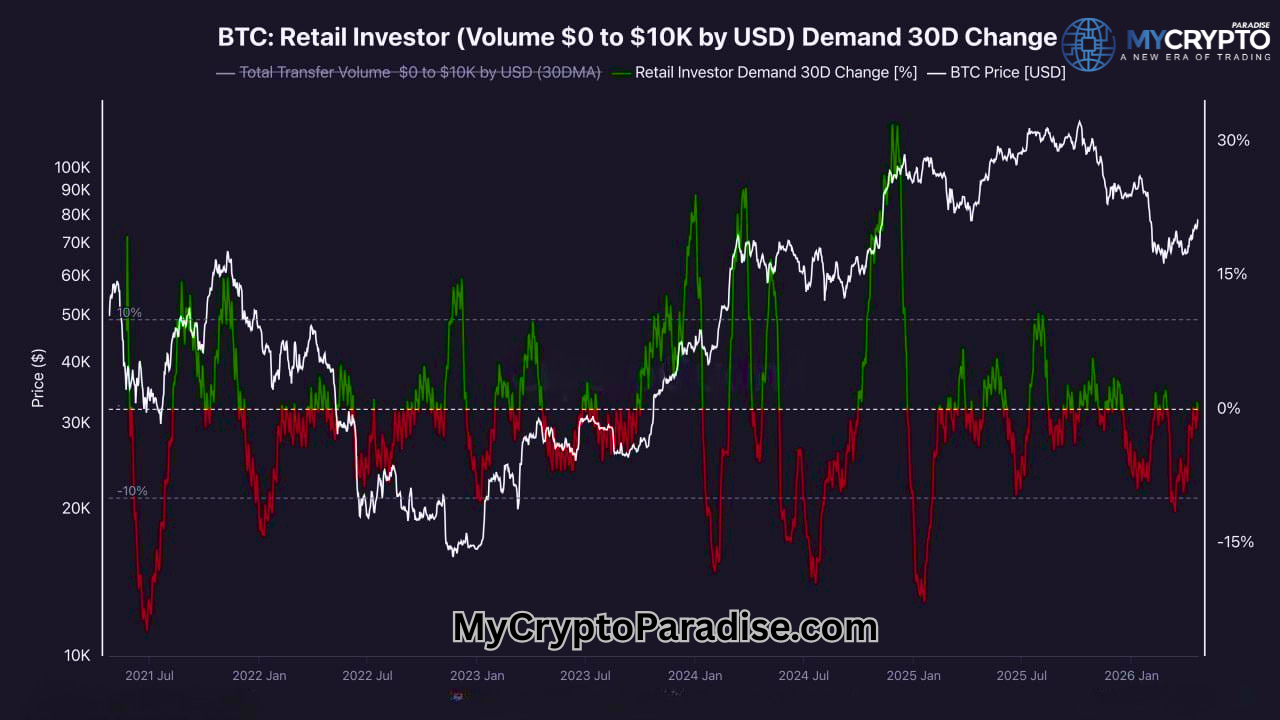
BTC: Bitcoin rallied above $71,000 during European trading, gaining about 6% and marking one of its strongest sessions in recent weeks.
ETH: Typically benefits from regulatory clarity discussions due to its central role in DeFi and stablecoin infrastructure.
Stablecoins: The outcome of the CLARITY Act debate could directly affect how yield products develop across the ecosystem.
Crypto equities: Banking access improvements would lower operational friction for U.S. crypto companies.
What to Watch Next
Monitor whether the Senate advances the CLARITY Act following renewed White House pressure.
Watch responses from the banking lobby regarding stablecoin yield provisions.
Track regulatory changes affecting bank crypto custody and payment services.
Observe whether Bitcoin can maintain support above $70,000 and build momentum toward the $78,600 resistance zone.
Insights for Traders
Big players are not just watching price action. They are watching policy signals.
Regulatory clarity often acts as a liquidity catalyst. If banks open access and stablecoin yields become possible, capital flows into crypto platforms could increase significantly.
However, the second order effect banks fear is deposit migration. Analysts at Standard Chartered estimate stablecoins could pull as much as $500 billion from bank deposits by 2028.
When financial infrastructure changes, capital flows follow.
ParadiseTeam is monitoring the market situation closely, and we are taking these developments into consideration while building our trading tactics inside ParadiseFamilyVIP.