Key Highlights
• Strategy acquired 1,142 BTC for roughly $90 million, lifting total holdings to 714,644 BTC
• Unrealized losses have crossed $5 billion as Bitcoin trades below Strategy’s average cost
Yello Paradisers! Strategy has resumed its aggressive Bitcoin accumulation, adding 1,142 BTC at an average price near $78,800 per coin. Is this conviction buying, or the calm before another wave of Bitcoin volatility?
The purchase brings the company’s total holdings to 714,644 BTC, acquired for approximately $54.35 billion at an average cost of about $76,056 per Bitcoin.
Strategy has acquired 1,142 BTC for ~$90.0 million at ~$78,815 per bitcoin. As of 2/8/2026, we hodl 714,644 $BTC acquired for ~$54.35 billion at ~$76,056 per bitcoin. $MSTR $STRC https://t.co/4X2c81LQwm
— Michael Saylor (@saylor) February 9, 2026
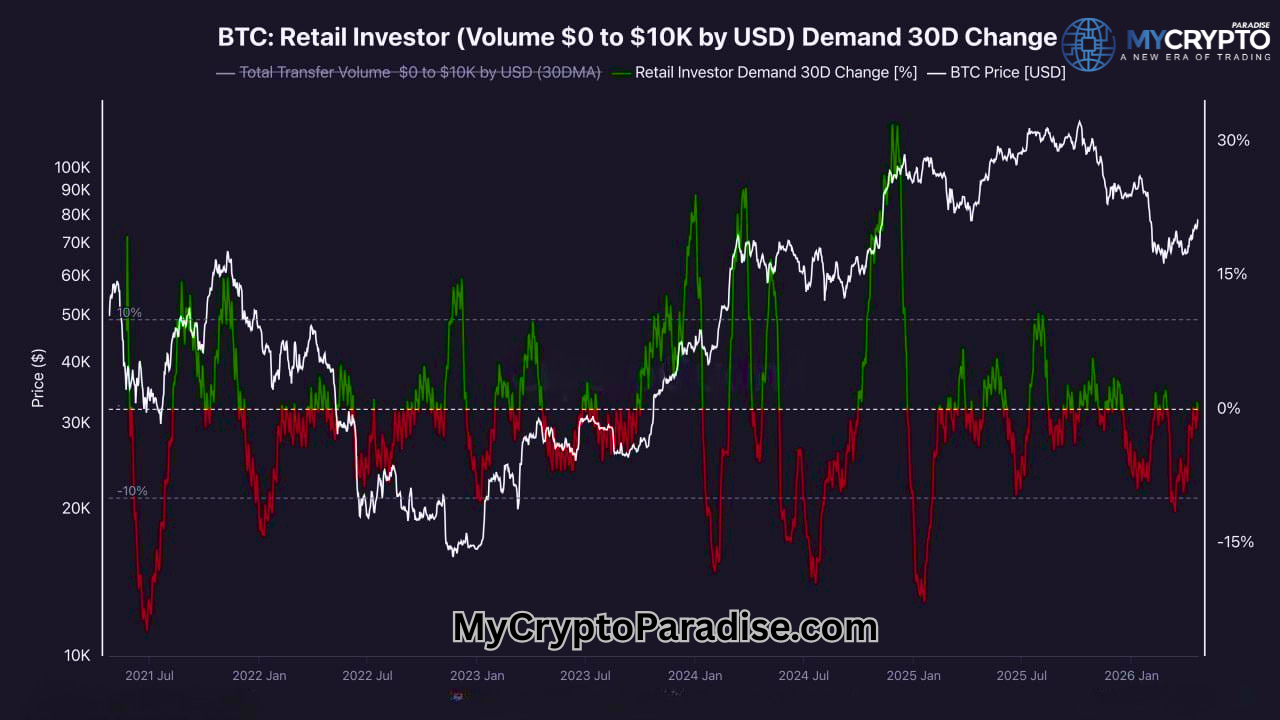
The move comes as Bitcoin trades just below the $70,000 level, following a sharp correction from late 2025 highs. At current prices, Strategy’s Bitcoin treasury is sitting on unrealized losses of just over $5 billion, briefly placing the firm underwater on its aggregate position.
Why it matters
Strategy continues to signal that price weakness is not a reason to slow down accumulation. Instead of attempting to time market bottoms, the firm is reinforcing its long-term thesis that Bitcoin remains a superior store of value over multi year horizons, even when short-term drawdowns intensify.
Market impact
Equity markets reacted swiftly. Strategy shares surged more than 26 percent on the day, rebounding sharply after a steep early February selloff. The move highlights how closely MSTR remains tied to Bitcoin sentiment, acting as a high beta proxy for investors seeking leveraged exposure to BTC price moves.
What to watch next
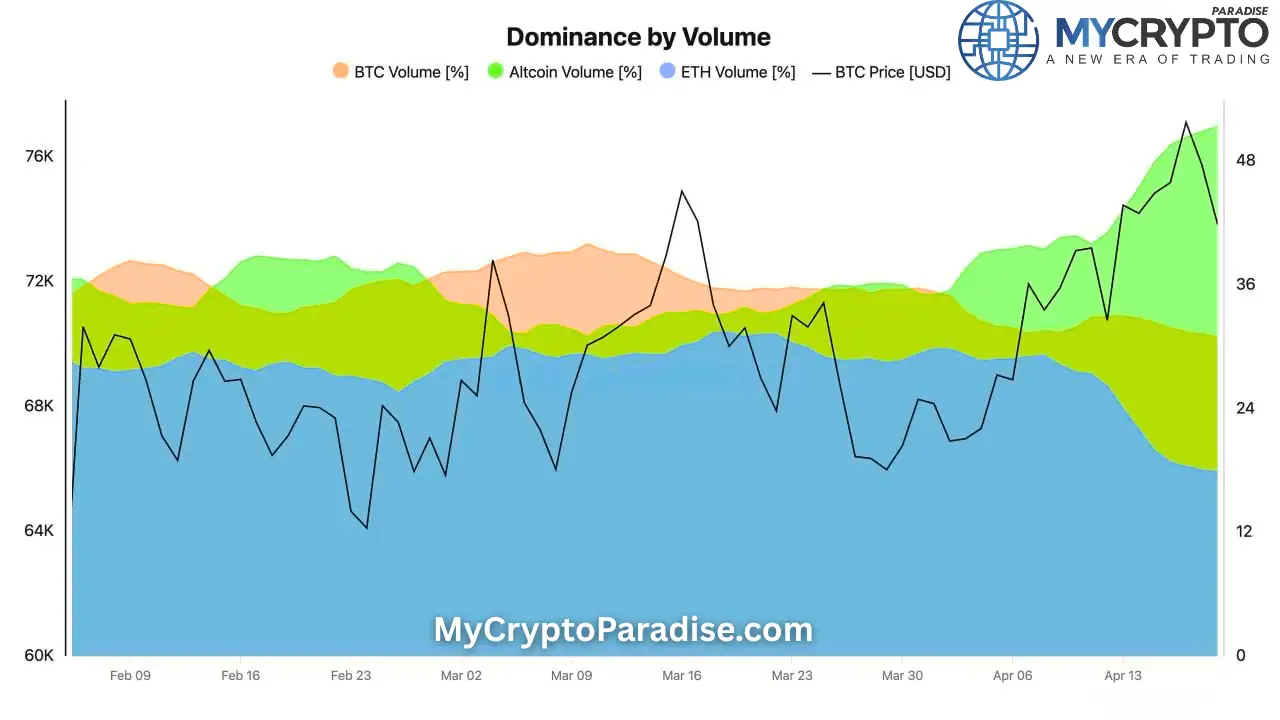
Bitcoin holding the $68,000 to $70,000 zone is now critical. A sustained break lower would deepen paper losses and test investor patience, while stabilization could reinforce the view that recent selling was a positioning reset rather than a structural breakdown.
Insights for traders
Big players are interpreting Strategy’s behavior as balance sheet signaling rather than short-term speculation. When large treasuries buy into weakness despite visible losses, it often reflects confidence in long-term scarcity rather than near-term price action. The second order effect is narrative reinforcement. Corporate accumulation during drawdowns can reduce panic selling pressure over time, but it can also raise volatility if prices fail to recover quickly, as leveraged proxies like MSTR amplify both upside and downside moves.
ParadiseTeam is monitoring the market situation closely, and we are taking these developments into consideration while building our trading tactics inside ParadiseFamilyVIP.