- World Liberty files defamation lawsuit against Justin Sun
- Allegations include short selling and straw purchases
- Dispute follows token freeze and $300M wallet activity
World Liberty has filed a defamation lawsuit against Justin Sun after freezing his WLFI tokens, accusing Sun of spreading false claims and damaging the project’s reputation, does this clash highlight deeper concerns about how much control crypto projects have over user assets?
Sun kicked things off with a lawsuit, arguing his tokens were locked up for no good reason. World Liberty shot back, saying the freeze was the only way to keep the project and its users safe. Things got messy fast, with both sides pointing fingers, accusing each other of messing with the market and spreading false info.
What started as a fight over tokens quickly turned into a bigger legal and reputational showdown. World Liberty claims Sun tried to sway WLFI’s price and public image using coordinated wallet activity and his influence online. Underneath it all, the case puts a spotlight on an old problem in crypto, just how much control these projects actually have over users’ assets.
Why Legal Disputes in Crypto Matter for Markets
Everything begins with trust and control, not price. When fights break out over who really owns a token or whether you can move it, people see just how much power a project holds over what’s supposed to be your asset. That shakes confidence, makes people hesitant to get involved, and can dry up liquidity because people get picky about where they put their money.
Now, with more projects adding things like token freezing or blacklists, everyone’s starting to ask what ownership in crypto even means. The conversation moves away from pure tech innovation and starts to focus on governance risks. Legal clarity and transparency end up mattering a lot more for anyone thinking about sticking around for the long run.
Market Impact of WLFI Sun Dispute
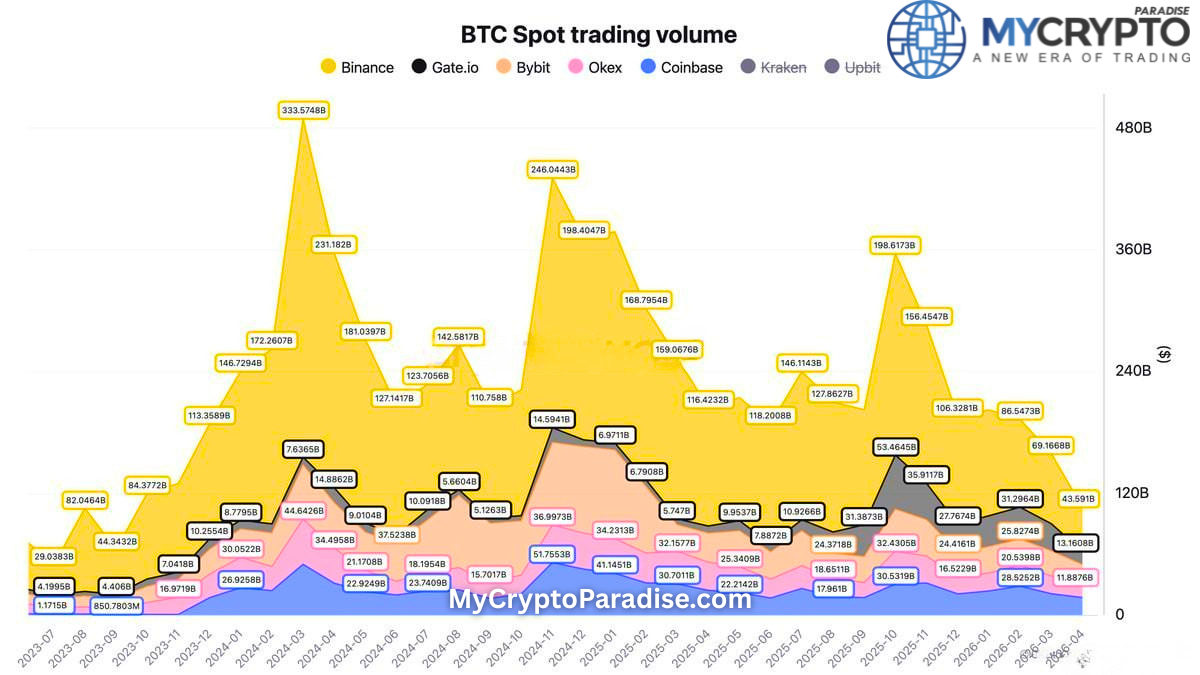
Honestly, Bitcoin doesn’t really take a direct hit here, this is more about one project. Still, when drama pops up around crypto governance, overall market confidence can get shaky. Ethereum and DeFi tokens are more on the hook, since their ecosystems sometimes rely on similar control setups.
But it’s the smaller altcoins and less established projects that feel it most. When disputes highlight centralized control or governance risks, capital tends to pull back from less established tokens, especially those with unclear rules around asset control and transfer restrictions.
Broader Implications of Token Control and Governance
We’re seeing a real tug of war in crypto lately, the drive for true decentralization versus the need for control. Crypto’s supposed to be about giving users more ownership, but the truth is, plenty of projects still hold the keys. They can step in, freeze assets, or shut things down if they think it’s necessary.
With regulators keeping a closer eye, it’s likely even more projects will add controls like these. Sure, this can help keep things safer, but it definitely shrink away the freedom and decentralization that drew people to crypto in the first place. Where the space goes next will depend on how we handle this push and pull between security and freedom.
What to Watch Next in the WLFI Case
Keep an eye on how the court case plays out, especially when it comes to who really controls tokens and what power projects have over users’ assets. The decision could shape how similar cases go down the road. Watch how the market responds to different governance setups, too.
If people start steering clear of projects that have too much control, you might see more money flow into options that feel more decentralized.
Insights for Traders on Governance Risk
This isn’t the kind of thing that instantly moves prices, it’s more about how governance can shape risk over time. Most traders probably won’t rush to react right away, but if these issues keep popping up, they chip away at trust, especially in specific sectors. When people start worrying about governance, you usually see traders pull back from smaller or riskier coins.
They stick with the big names, the safer bets.On the other hand, once there’s more clarity and solid governance, confidence starts to come back. That gets more people involved. If regulation gets messier and trust takes a hit, people stop participating, so the tokens involved take a beating. But when things get sorted out and governance looks solid again, confidence returns.
ParadiseTeam is monitoring the market situation closely, and we are taking these developments into consideration while building our trading tactics inside ParadiseFamilyVIP.